Why do your knuckles crack?
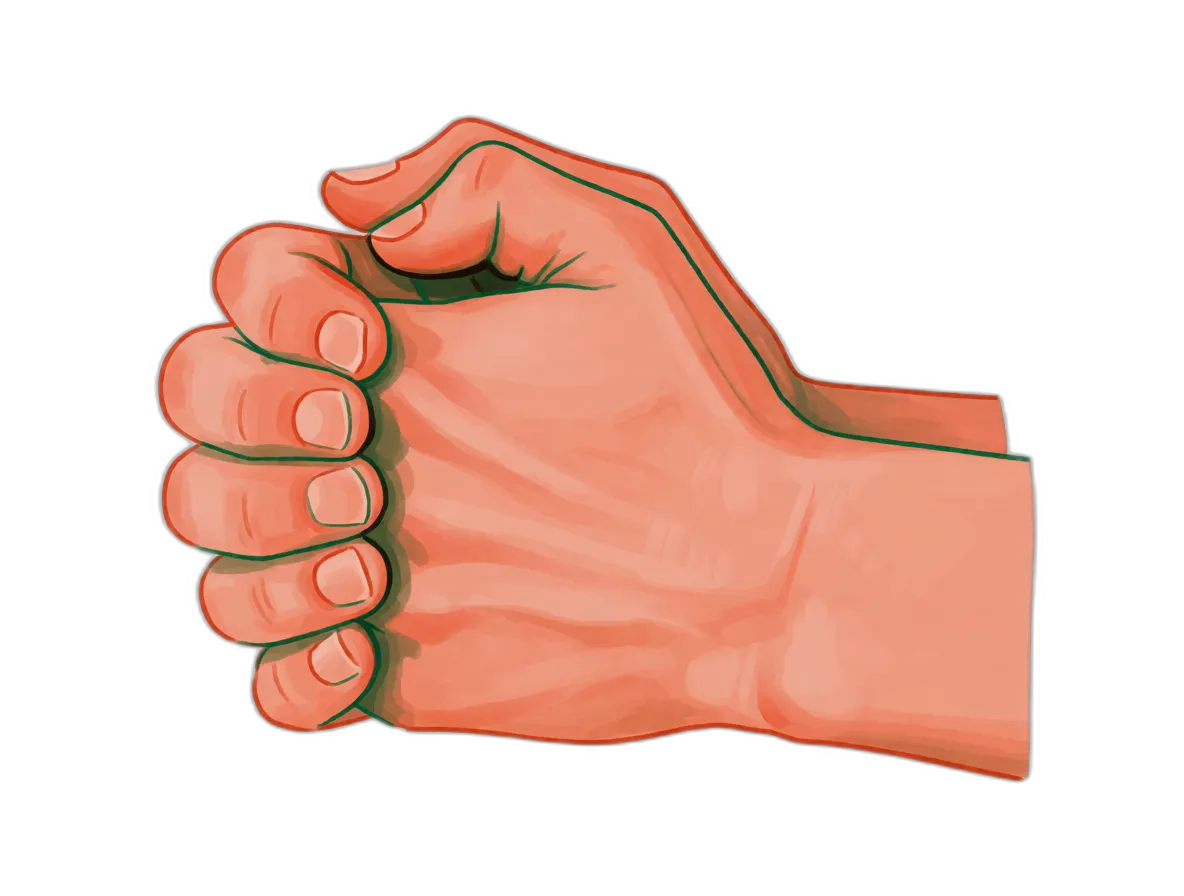
Somebody grips a finger, pulls, and a startlingly loud pop comes out of a joint the size of a marble. Adults wince. Then you try the same finger again straight away, exactly as hard, and get nothing at all — not a click, not a scrape. Twenty minutes later it works perfectly. Whatever produced that noise has to be reloaded, and that is a very odd thing for a knuckle to need.
The sound is not two bones knocking together. It is a bubble being born, suddenly, inside a sealed bag of liquid.
A knuckle is a sealed bag, not a hinge
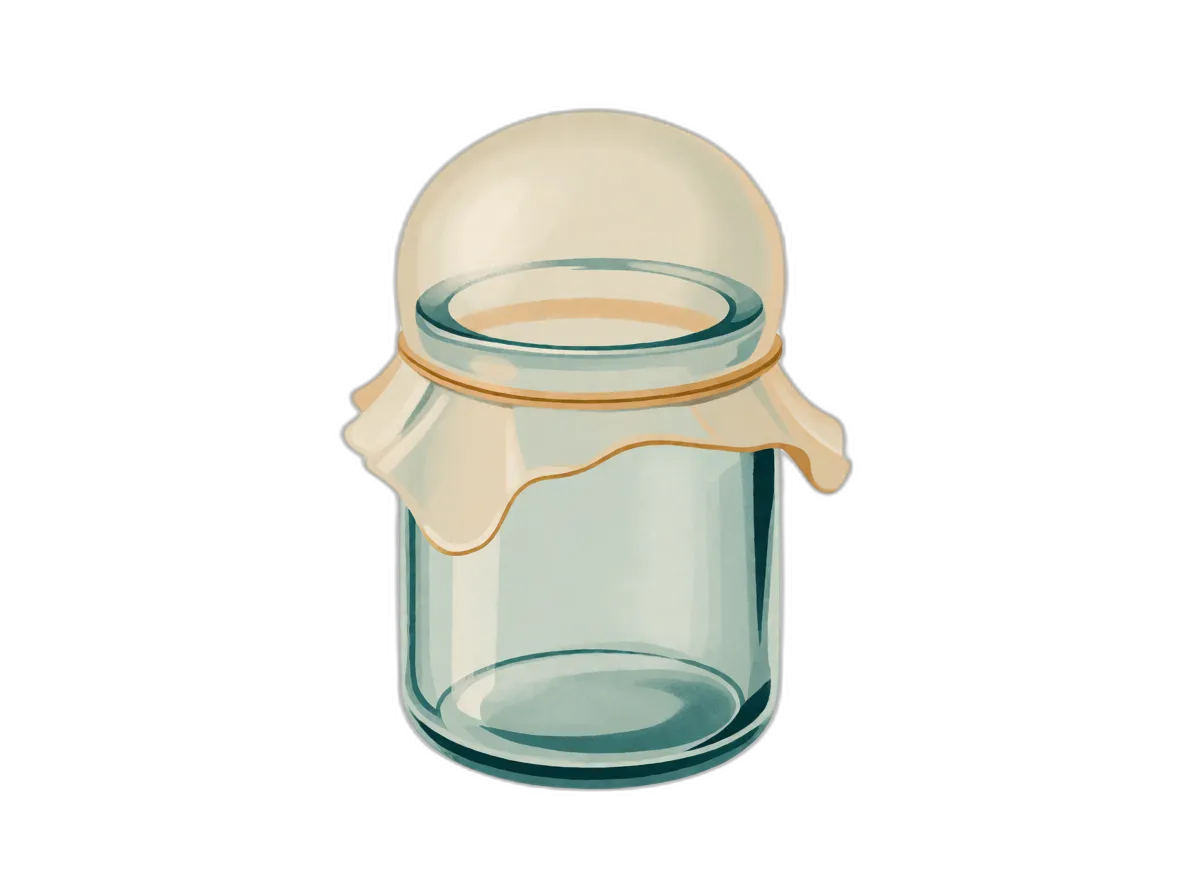
Where two finger bones meet, their ends are capped with smooth cartilage and wrapped in a tough sleeve called the joint capsule. The capsule is sealed all the way around, like a small balloon with a bone entering each end.
Inside it, filling every gap, is synovial fluid. A knuckle holds about 0.5 ml(⅒ tsp) of it, and it is thick, clear and slippery, closer to raw egg white than to water.
That fluid performs two jobs. It lets the cartilage slide with almost no friction, and it carries gases from your bloodstream, distributed through it in pieces far too small to see individually. Chemists describe a gas hidden that way as dissolved.
So a knuckle is a closed container of liquid with gas quietly stored inside it. Nothing in there can escape, and nothing new can get in. That turns out to matter enormously the moment you pull.
Pulling makes the space bigger, and the liquid cannot follow
Take hold of a finger and pull gently. The bones separate a little, and the capsule stretches to let them, so the space inside gets bigger.
Liquids will not do that. A liquid keeps almost exactly the same volume however hard you haul on it — you can squash it or stretch it barely at all. The fluid simply cannot expand to fill the extra room.
Something has to give, and what gives is the pressure: the push the fluid exerts on everything around it. Enlarge the container without adding liquid, and the pressure inside plummets.
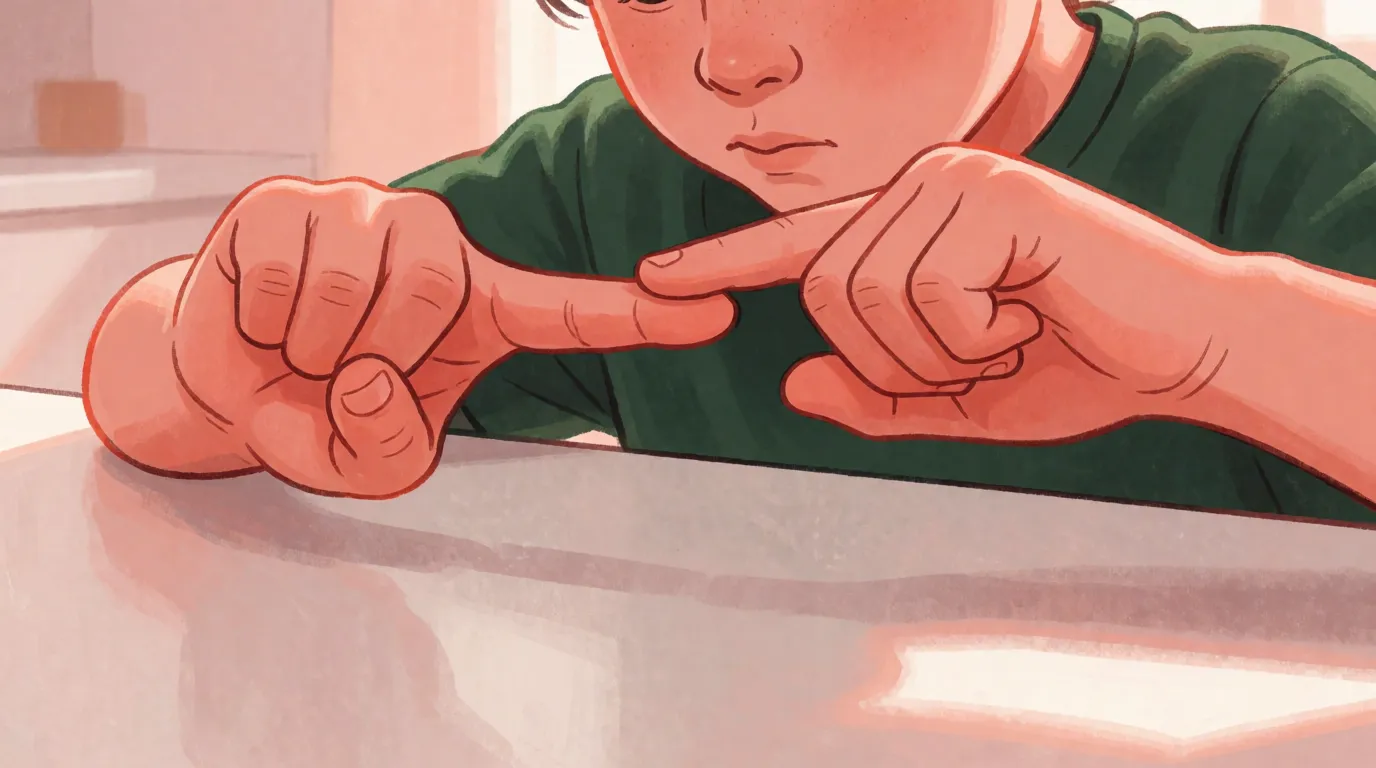
Dissolved gas only stays dissolved while something is pressing on the liquid. Drop the pressure far enough and it cannot stay hidden any longer.
The bubble appears all at once, and that is the noise
At a particular point the fluid surrenders and a gas-filled cavity springs into existence, in one step, in a fraction of a second. Scientists call the sudden appearance of a cavity inside a liquid cavitation.
The bones jump apart by about 2 mm(0.08 in) at the same instant, because the resistance holding them together has just vanished. That is the small lurch you feel.
For most of the twentieth century, everybody assumed the noise arrived at the opposite end of the story: the bubble collapsing again. It sounded entirely reasonable. Collapsing bubbles are genuinely loud, which is how a boat propeller gradually chews itself to pieces.
They had it backward. In 2015 Gregory Kawchuk and his colleagues in Canada put volunteers’ fingers inside a scanner that films the inside of a body, tied a cable to each finger, and pulled slowly while recording.
Every single crack arrived in the same frame as a cavity appearing. Nothing had collapsed, and the cavity did not vanish afterward either — it sat there in the pictures, plainly visible, long after the sound had finished.
The pop is not something breaking. It is something arriving.
The twenty minutes afterward explain everything
The cavity is why you cannot repeat the trick. Once it exists, the joint is no longer a sealed bag of liquid under pressure. It is a bag with a bubble in it, and pulling on a bag that already contains a bubble simply stretches the bubble.
The gas has to go back into the fluid before anything can happen again. It does, slowly, dissolving away over roughly twenty minutes, which is why your knuckles recharge on a timetable and nothing you do speeds it up.
Try it right now on any finger. Crack one knuckle, then attempt the identical pull immediately afterward. The joint feels loose and slightly disappointing, and no amount of effort produces a second bang.
That waiting period is the strongest evidence that a bubble is involved at all. Bones knocking together would knock again instantly. Only something that has to be rebuilt behaves like this.
The doctor who cracked one hand for fifty years
One stubborn man is not a proper study, and Unger cheerfully admitted it. Larger investigations since have compared thousands of habitual crackers against non-crackers, and discovered no difference in arthritis either.
In 2009 he was given an Ig Nobel Prize, an award for research that makes people laugh and then makes them think. He used his acceptance speech to address the relatives who had warned him.

Getting it right took most of a century
The first useful look came in 1947, around when your great-grandparents were children. Joseph Roston and a colleague in England X-rayed fingers while pulling on them with weights. A dark space appeared between the bones at the moment of the crack, and they suspected a cavity.
Photography could not settle it. A single still picture cannot possibly reveal whether a cavity is arriving or departing, and the entire event finishes in a few thousandths of a second.
So the question sat unresolved for decades while everybody quoted the collapsing bubble explanation, which appeared in a study in 1971 and stuck. It was not carelessness. It was a genuinely hard measurement waiting for a machine that could film soft tissue in real time, and that machine did not exist yet.
Time your own reload
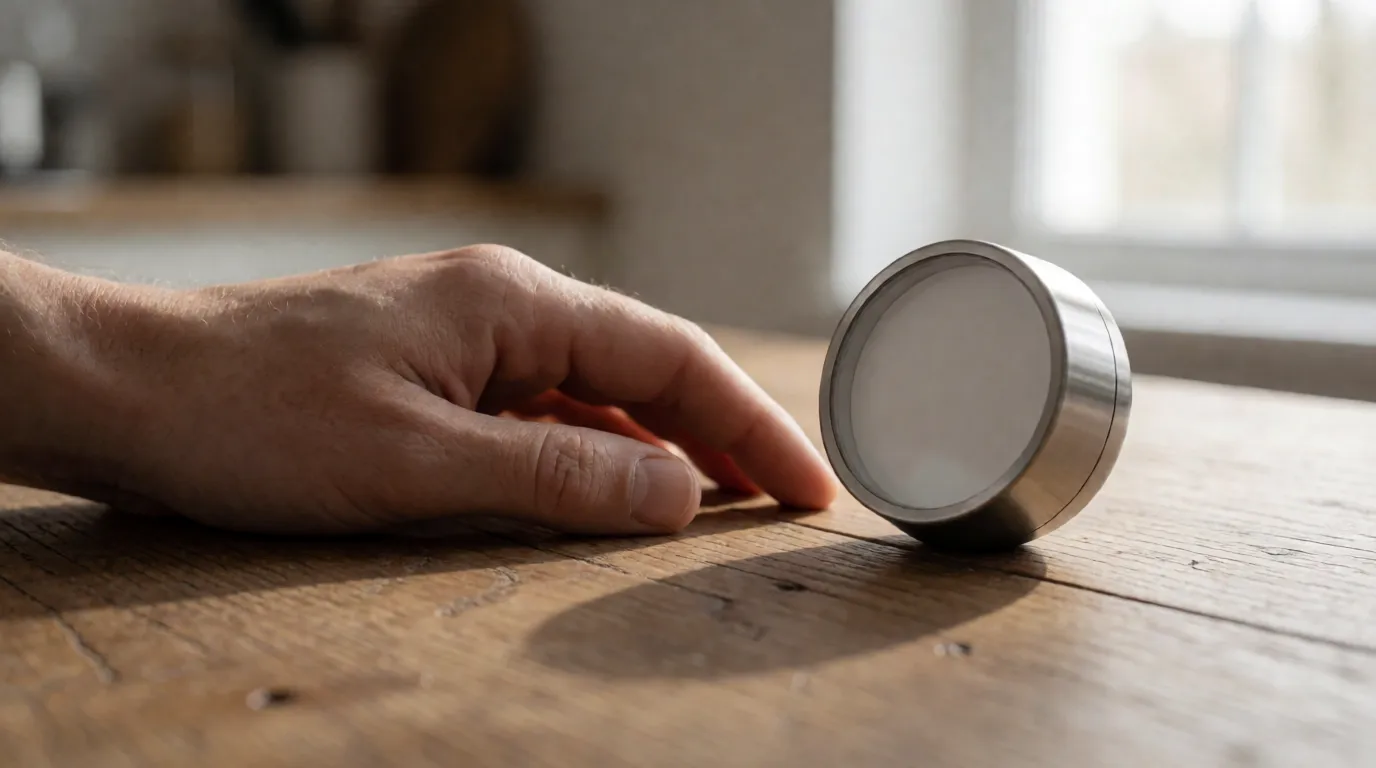
Most people land somewhere between fifteen and thirty minutes, and your personal figure stays reasonably consistent from day to day. Warm hands frequently recharge a little faster, because the temperature of a liquid changes how quickly gases dissolve into it.
Notice what you have actually measured. Not a hinge, not a tendon, and nothing mechanical. You timed a gas disappearing back into a liquid, inside a sealed container the size of a marble, in your own hand.
What the noise was all along
Nothing about knuckle cracking involves anything breaking, grinding or deteriorating, which is the particular detail the wincing adults have wrong.
A pull enlarges a sealed space. The liquid inside refuses to stretch, so the pressure collapses. The gas that was hidden in the fluid can no longer stay hidden, and it arrives all at once, with a bang.
Then it goes quietly back into solution over the next twenty minutes, and your finger is loaded again. That reload is the strangest part of it, and it is also the proof: nothing that merely knocks needs twenty minutes to get ready.