Why do your ears pop on a plane?

The plane starts down and within a minute everything sounds like it is happening in the next room. One ear begins to ache. You swallow, something clicks inside your head, and the world snaps back to normal volume. Then it happens again. Oddly, the climb barely bothered you at all, even though the plane was covering the same distance in the opposite direction.
There is a sealed pocket of air inside your head, and it has one narrow exit that works far better in one direction than the other.
One thin sheet, with air pushing on both sides
At the end of your ear canal, roughly three centimeters in, sits your eardrum. It is a membrane: a sheet stretched tight across an opening, sealing it completely.
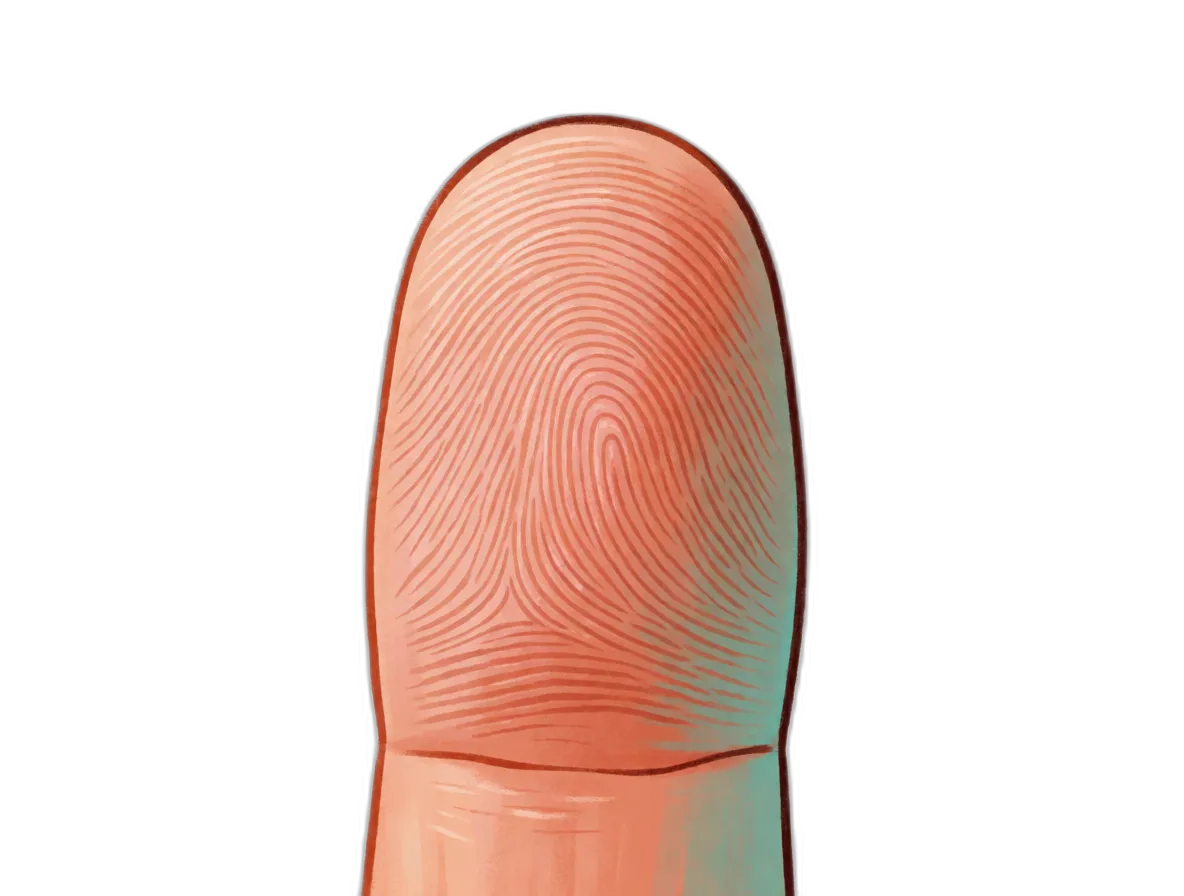
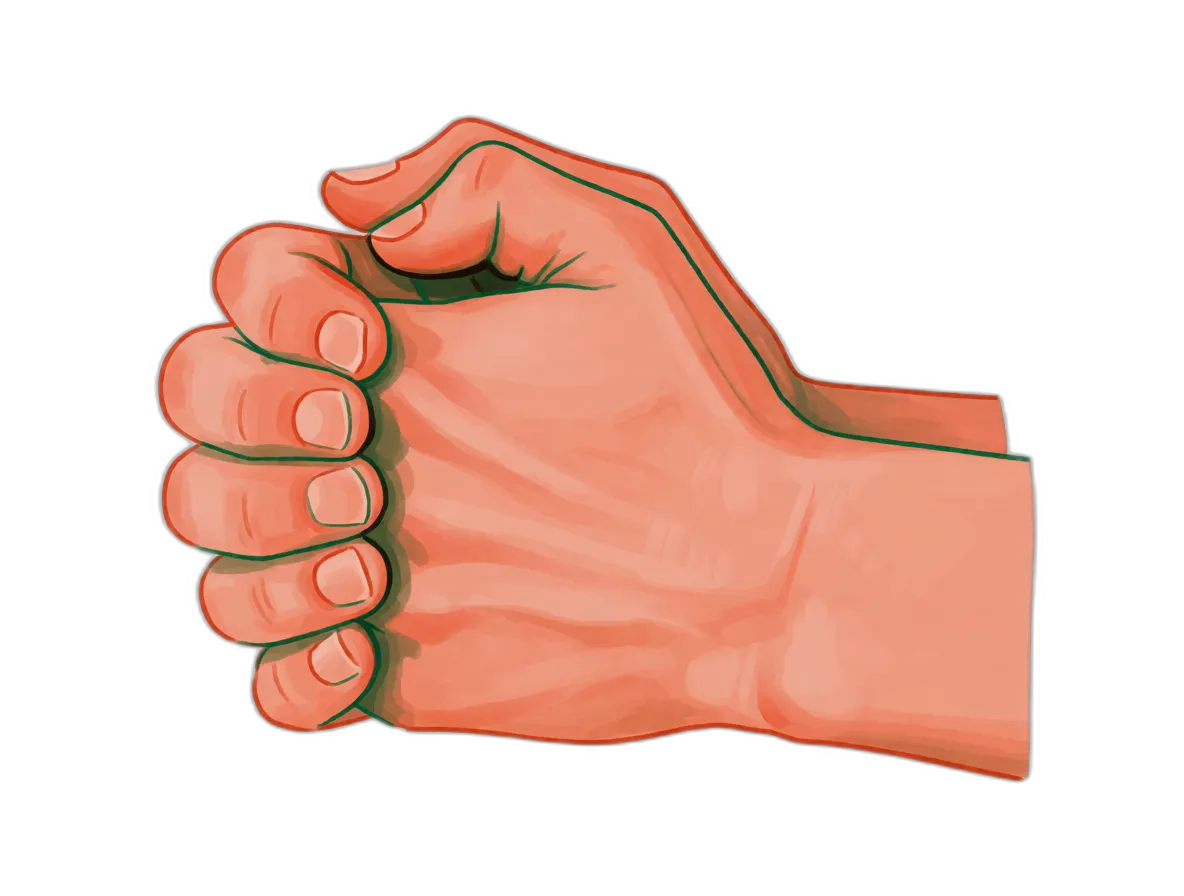
The eardrum is about 9 mm(⅓ in) across, the size of your smallest fingernail, and about as thick as a sheet of paper. Sound pushes it in and out, and those tiny movements are the beginning of everything you hear.
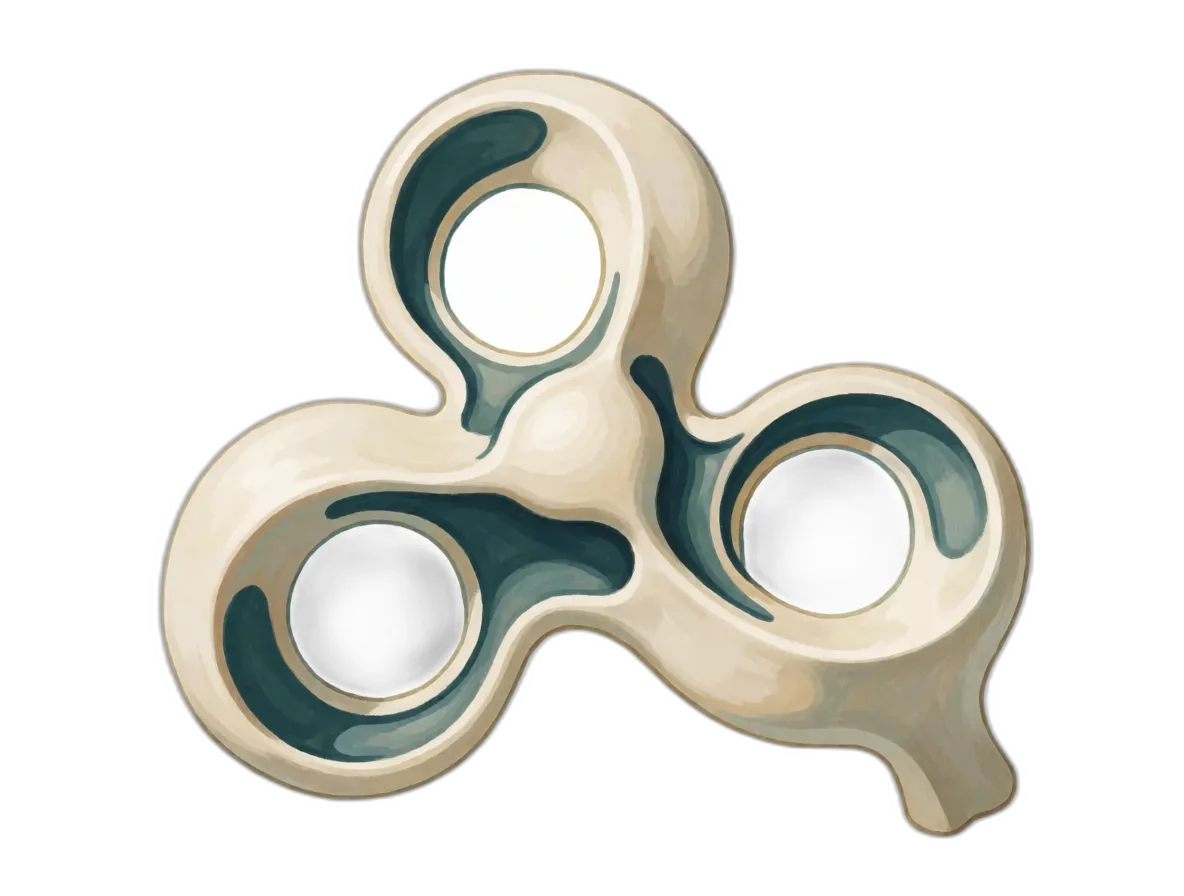
Behind it is a small chamber called the middle ear, where three minuscule bones transmit the vibration inward. That chamber contains ordinary atmosphere, and it is completely trapped in there.
So your eardrum is a sealed lid with air on both sides. The room pushes on the outside and the middle ear pushes back on the inside, and because both pushes match, the drum sits flat and moves freely.
That balance is easy to describe and surprisingly easy to break. All you have to do is change the air on one side and not the other.
A climbing plane changes the outside and not the inside
The push that air exerts on everything it touches is called pressure, and it depends on how much atmosphere is stacked up above you. Higher up means less air overhead and lower pressure.
An airliner does not carry sea-level air. Pumping the cabin up that hard would demand a much heavier aircraft, so the cabin is held at roughly the pressure you would find 2,400 m(8,000 ft) up a mountain.
Cabin pressure against sea level pressure, in millibars — the same units a weather forecast uses.
The cabin reaches that value during the climb, over ten minutes or so. Your middle ear does not, because it is sealed. The air in there is still the air you brought aboard.
Unequal pushes bend a membrane. Your eardrum bulges outward into the emptier side, which stretches it, and a stretched drum cannot vibrate properly. That is the muffling, and past a certain point it is also the ache.
The only way in or out runs to the back of your throat
The middle ear is not quite sealed forever. A narrow passage runs downward and forward from it to the very back of your nose and throat, and it is called the Eustachian tube. The throat tube is an easier name.
Its walls are soft and they rest against each other, so the tube is shut almost all the time. Two muscles at the throat end can haul it open, and they do that automatically whenever you swallow or yawn.
When the tube flicks open, air crosses in whichever direction the difference demands, the two sides equalize, and the drum snaps flat again. That snap is the pop, and the sudden return of proper hearing is the drum being free to move.
Swallow right now and listen carefully. Most people can hear a faint click in both ears, which is the tube opening and closing on a day when there was almost nothing to equalize.
Going down is much harder than going up
Here is the part that explains the whole lopsided experience. The throat tube is a floppy passage, so pressure does not merely travel through it. Pressure also squeezes it.
On the way up, the trapped air in your middle ear is at the higher pressure. It pushes outward on the tube from the inside, which helps force the walls apart. The tube vents almost by itself, often without you noticing.
Climbing, the trapped air opens its own escape route. Descending, the outside air holds the door shut.
On the way down, everything reverses. Now the cabin is at the higher pressure and it presses the soft walls together from the outside. The tube is being held shut at exactly the moment you need it open, so you have to force it with a swallow, a yawn or a deliberate gulp of a drink.

Children have considerably more trouble than adults, and it is a matter of plumbing. A child’s throat tube is shorter and lies flatter, which makes it both easier to obstruct and harder to pull open.
The claim that it is the height
Any sealed pocket of atmosphere behaves this way, which is why a shampoo bottle bulges in an aircraft hold, and a sealed packet of potato chips arrives inflated like a cushion. Your head simply contains one of those pockets.
The tube that waited a century and a half for its picture
The passage was described properly in 1562 by Bartolomeo Eustachi, an Italian anatomist working in Rome, and it has carried his name ever since. Everyone in this story is roughly fifteen generations before you were born.
He deserved considerably better than that. Back in 1552, in the middle of the sixteenth century, he had collaborated with an artist named Pier Matteo Pini. Together they completed forty-seven detailed anatomical engravings, cut into copper, ready for printing.

Only eight were ever published. Eustachi died in 1574 with the rest unprinted, and the plates passed to Pini’s family, where they sat in a cupboard and were forgotten by everybody who mattered.
They surfaced in 1714, when Giovanni Maria Lancisi, a physician to the Pope, tracked them down among Pini’s descendants and finally published them. A hundred and sixty-two years had passed. Anatomy had spent all of it rediscovering things that were already sitting, beautifully drawn, in somebody’s cupboard.
Build an eardrum you can watch
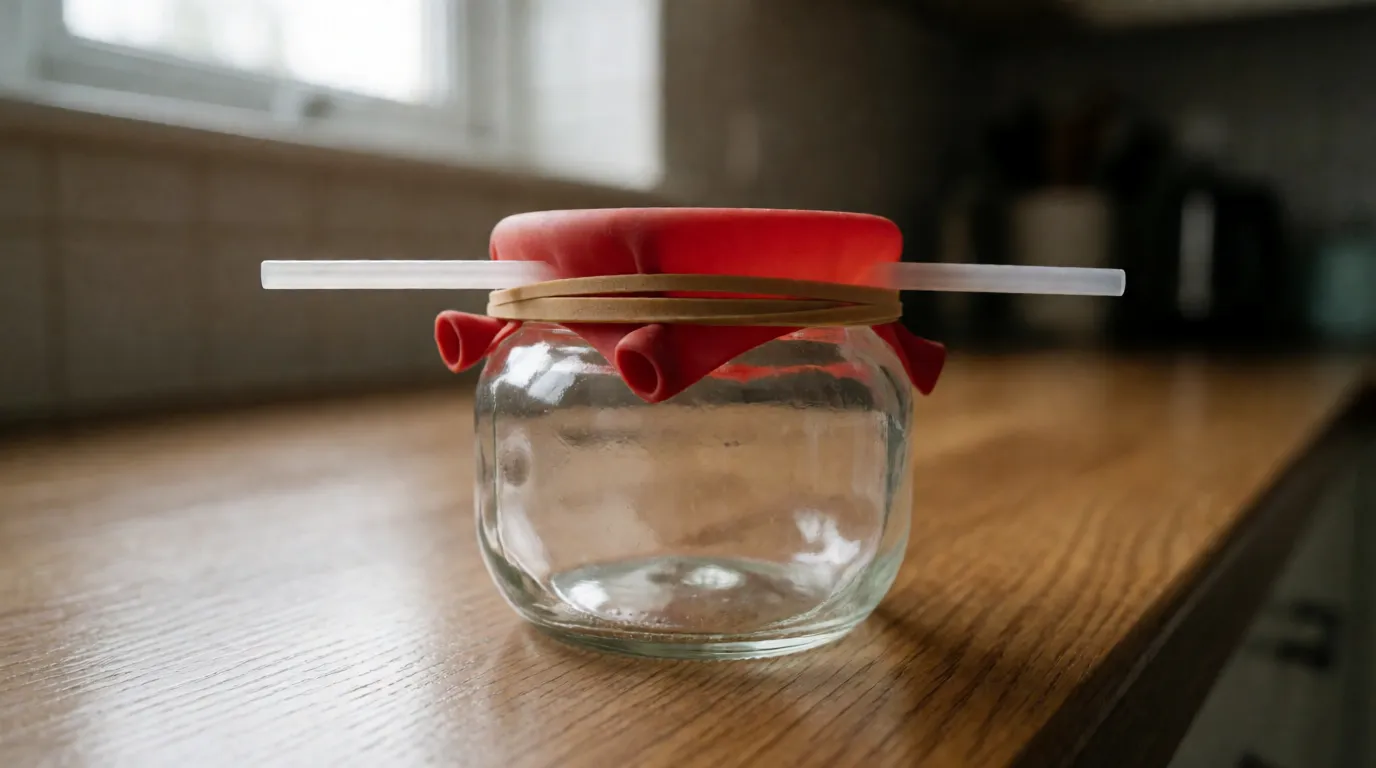
The dome rises a few millimeters, which does not sound like much until you notice you can see it from across the room. Cold water pulls the balloon the other way, into a dish, and the straw flattens that out just as fast.
That is your entire airplane problem, in a jar. The membrane bulges whenever the two sides disagree, and the only cure is a working passage between them.
What the pop actually is
Nothing in your ear is popping. Nothing bursts, nothing snaps, and the noise is not the drum at all.
The sound is two soft walls of a collapsed tube peeling apart, and the rush of atmosphere that follows. What you experience afterward — the sudden clarity, the ache lifting — is your eardrum returning to flat, and resuming its ordinary occupation of being pushed around by nothing except sound.
Which is why swallowing works, why a yawn works better, and why babies scream through the descent and then fall asleep the moment somebody hands them a bottle. They are not being consoled. They are swallowing.