How can pushing on someone’s chest keep them alive?
Someone drops to the floor in a supermarket. A stranger kneels beside them, puts one hand on the middle of their chest, and starts pushing. A hundred times a minute, hard enough to hurt, for ten minutes. No medicine, no machine, nothing fetched. So what is a pair of hands actually moving in there, and why does the instant they lift matter as much as the instant they press?
The answer begins with a piece of luck. The blood already inside a person who has just collapsed is still carrying almost all the oxygen they need. It has simply stopped going anywhere.
The blood is full and going nowhere
When a heart stops without warning, doctors call it cardiac arrest. Usually its own electrical timing has gone irregular, and the muscle is quivering instead of squeezing.
Nothing is missing from the blood. Somebody breathing normally a second earlier has lungs full of air and blood loaded with oxygen — enough to keep the vital organs alive for minutes.
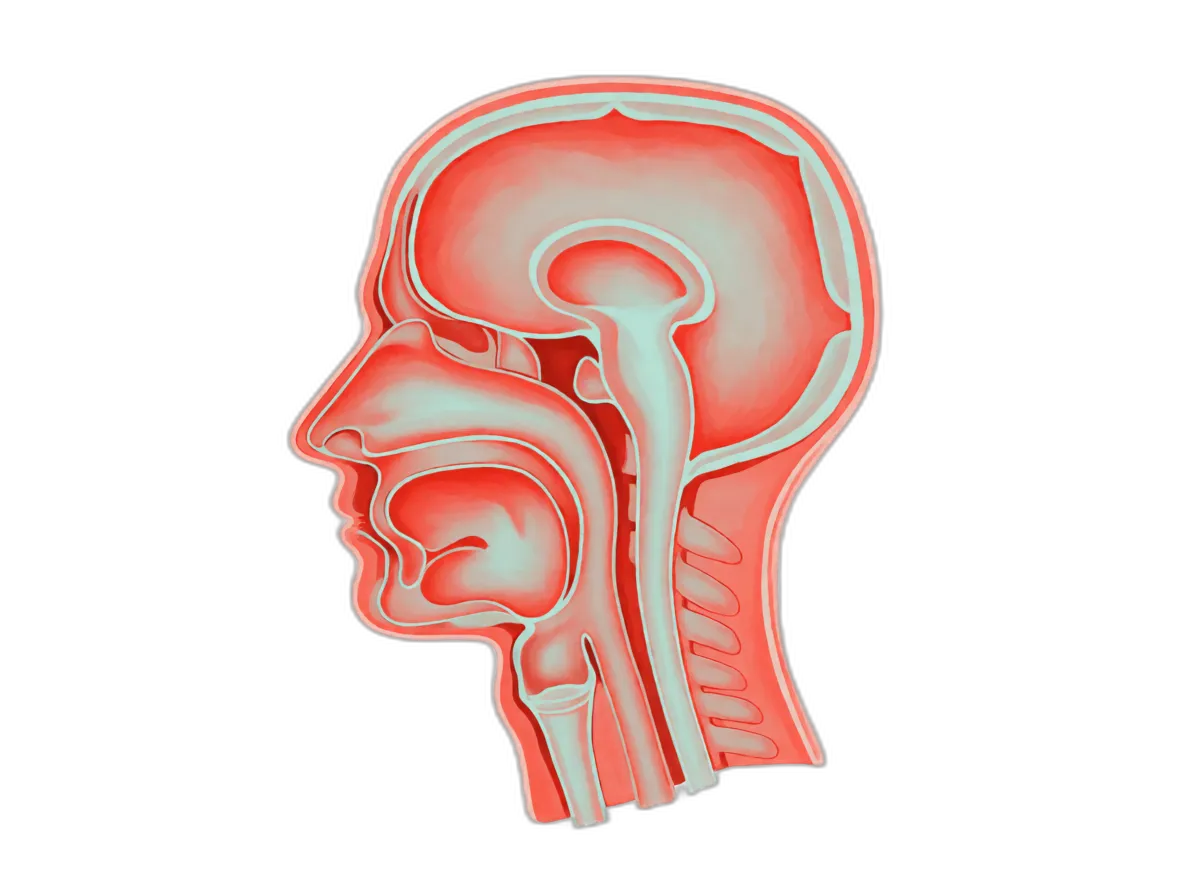
The trouble is delivery. Your brain keeps no store of oxygen of its own. It takes what it needs from blood arriving that second, so when the arrivals stop a person is unconscious in about ten seconds. That is less time than it took to read this paragraph.
So the person on the floor is not short of oxygen. They are short of a pump. And that pump is buried in the middle of them, behind bone.
Your heart sits in a springy box
Put the heel of your hand on the middle of your chest and press. The hard plate under your palm is your breastbone, the bone that every rib curves forward and joins onto at the front. Press harder, then let go. It gives, and then it comes back.
It comes back because the ribs do not reach that plate as bone. They finish in cartilage, the tough rubbery material in the tip of your nose, and cartilage bends and springs.
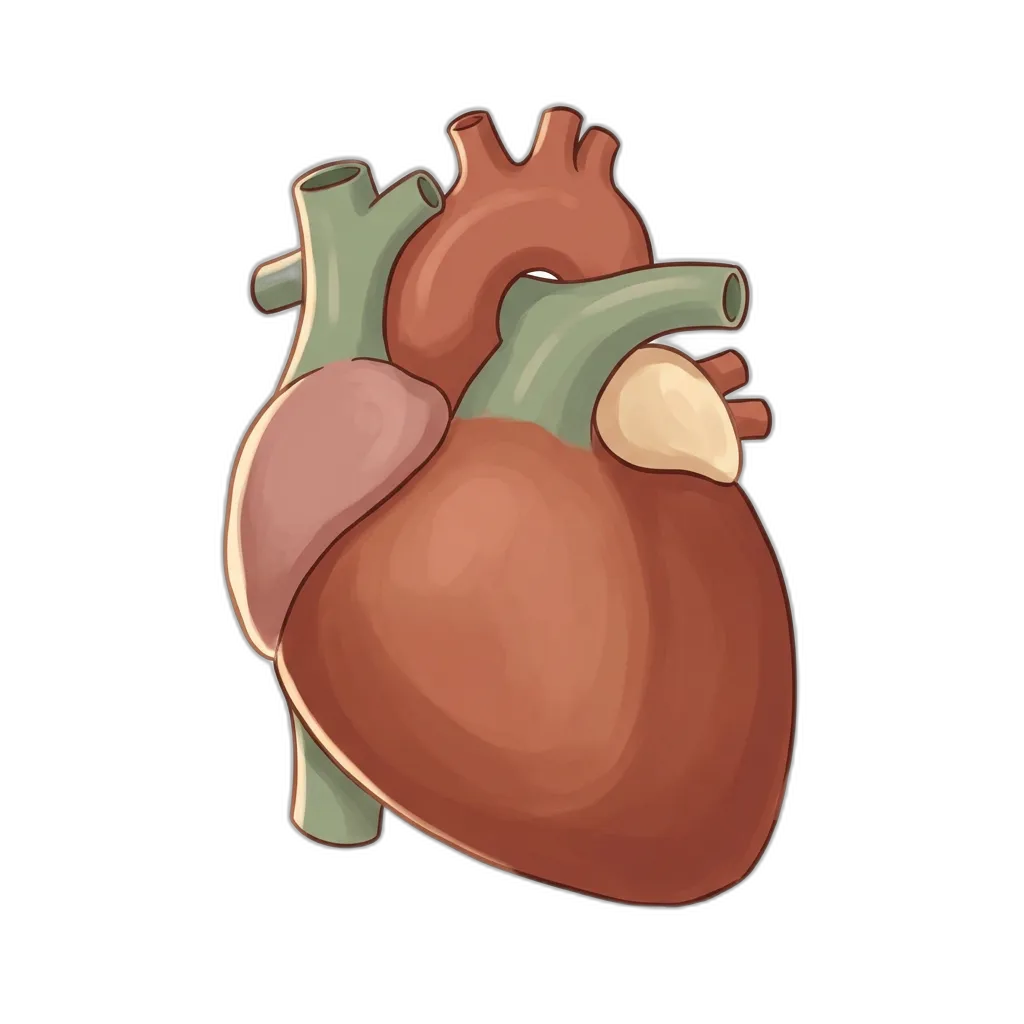
Behind the breastbone sits your heart, a muscular bag the size of your clenched fist. Behind your heart is your spine. Your chest is a box with elastic walls, and the heart is shut inside it.
A rescuer drives that plate down 5 to 6 cm(2–2.4 in), deeper than it sounds — about the length of your thumb. Everything between breastbone and spine is squashed, and the heart is the largest thing in the way. These pushes are called chest compressions.
Squashing the box raises the pressure inside it, meaning how hard everything in there is squeezed from every direction at once. Blood is a liquid, and a squeezed liquid has to leave. Where it leaves from is settled by four small doors.
Four one-way doors
Inside the heart are four valves, thin flaps that swing open one way and slam shut the other. They are why an ordinary heartbeat sends blood onward rather than sloshing it about.
Squeeze the heart from outside and those doors do the same job. The two big pumping chambers, the ventricles, are flattened, and the blood in them cannot go back the way it came. It leaves through the exit into the arteries, the thick-walled pipes carrying blood away from the heart. One of the first branches is the carotid artery, which runs straight up the neck to the brain.
Good compressions restore roughly a third of the circulation a beating heart would have managed. That sounds feeble. It is also enough to keep a brain alive until paramedics arrive.
A bag squeezed flat is an empty bag. Before the next compression can send anything anywhere, the heart has to fill up again.
Letting go is half the pump
It fills during the half of the move nobody watches.
When the rescuer lifts off, the elastic walls pull the chest back out to full size. The space inside gets bigger, and pressure inside a bigger space is lower. For a moment the pressure in the chest falls below the pressure in the veins, the pipes returning used blood. Liquids move from higher pressure toward lower, so blood flows in and the heart fills.
That refill is suction, and it does half the work of the whole rescue. Push, and the heart empties. Release, and it loads.
Now lean on the chest between compressions, the way tired arms want to. The box never returns to full size, the pressure stays high, and nothing is drawn in. The next push is a hard shove on a half-empty heart.
A rescuer who forgets to lift is squeezing an empty bag a hundred times a minute.
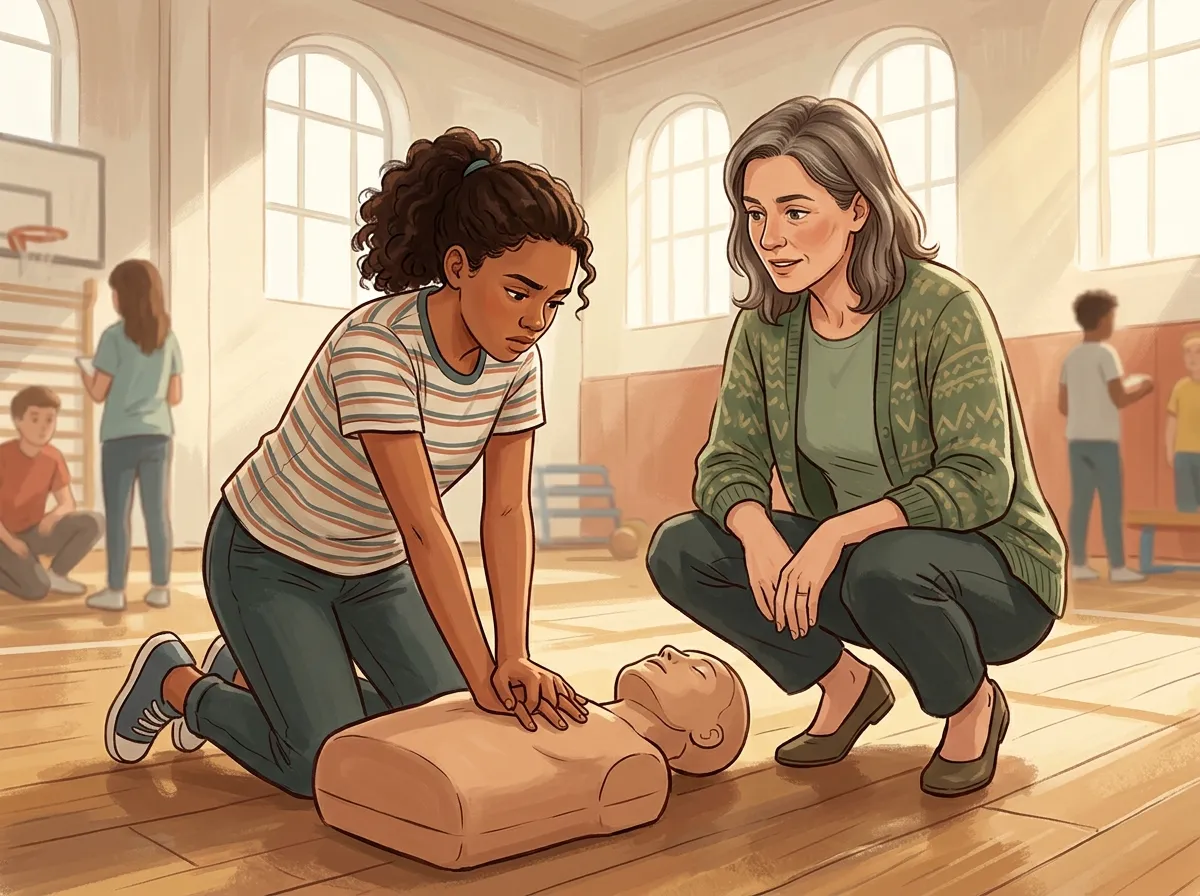
In 2005 researchers measured this in anesthetized pigs. Letting the chest spring back only three quarters of the way roughly halved the pressure pushing blood toward the brain. The rescuer had done nothing wrong except fail to let go.
Speed matters for the same reason. Rescuers give a hundred to a hundred and twenty compressions a minute: quick enough that the pressure never sags, slow enough that the box can spring open in between. The invisible half of each move is the half that loads the pump.
What television gets wrong
You have certainly seen this on a screen. Somebody pushes on a chest for a few seconds, the patient coughs, sits up, and asks what happened.
In 1996 the doctor Susan Diem and two colleagues watched a year of two hospital dramas plus fifty episodes of a rescue show and counted every attempt. Three out of four television patients survived their cardiac arrest, and two out of three went home from the hospital afterward.
In real life, when a heart stops outside a hospital, about one American in ten lives to go home.
The difference is not that the stranger who kneels down is clumsy. A stand-in pump has to keep running. Pressure builds over several compressions and drains within seconds of stopping, so every interruption starts the climb again from the bottom. Nobody worked any of it out until surprisingly recently, around when your grandparents were born.
The Saturday the dog woke up
Before it existed, restarting a stopped heart meant opening the chest. A surgeon cut between the ribs, reached in, and squeezed the heart directly. That worked, sometimes, and only in an operating room.
The change came from a laboratory at Johns Hopkins University that was not studying hearts at all. Power companies were paying to find out what electricity does to people, hoping to revive men electrocuted up a pole. So in 1958 William Kouwenhoven, an electrical engineer in his seventies, was testing shocks on dogs, anesthetized so they felt nothing. On his team was a twenty-nine-year-old graduate student, Guy Knickerbocker.
One day Knickerbocker pressed the heavy copper electrodes, the paddles that deliver the shock, onto a dog’s chest before switching anything on. The arterial pressure reading twitched upward. Pressing had moved blood. Nobody thought much of it.
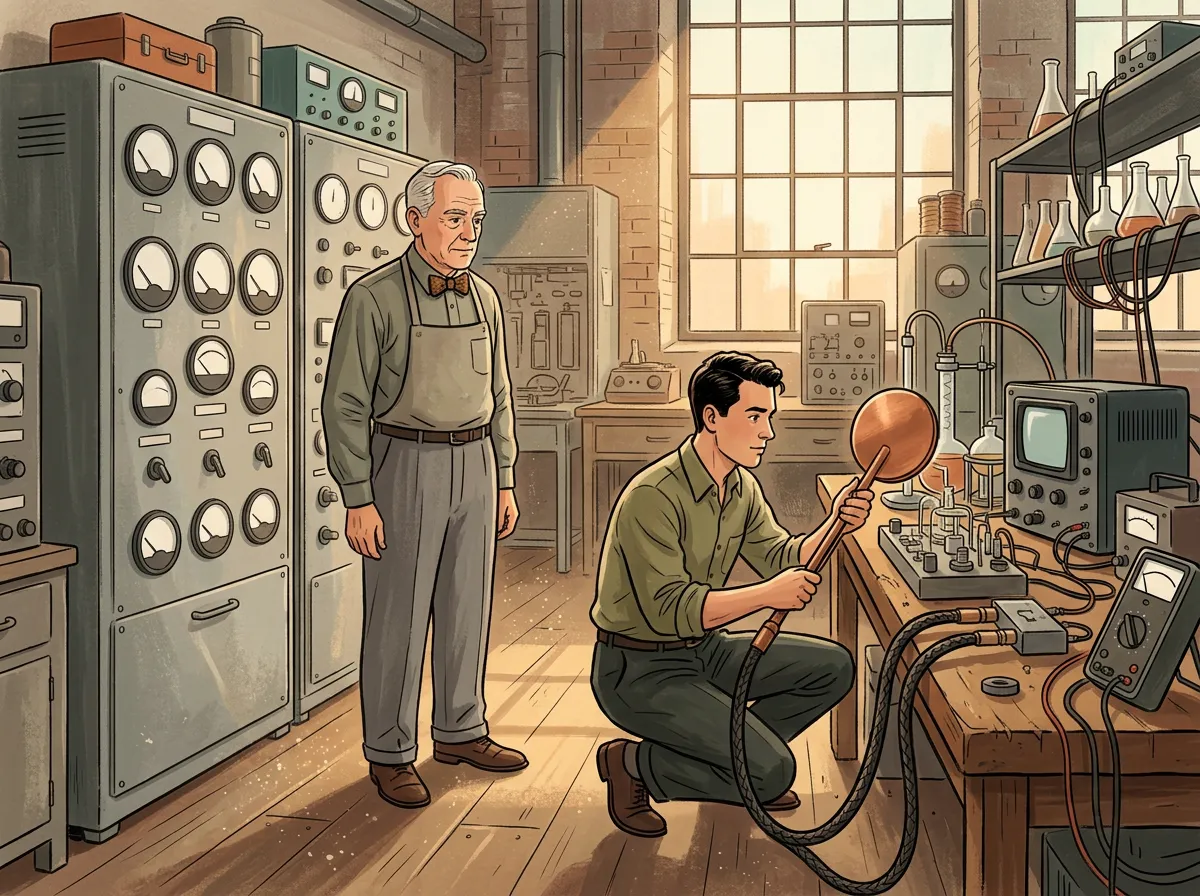
Then one Saturday their shock machine, a defibrillator, was seven floors away and in use. A dog’s heart had stopped and there was nothing to send for, so they pushed on its chest by hand, for twenty minutes. The animal recovered.
A doctor on the team, James Jude, saw immediately what it meant for people. In July 1960 the three of them published four pages in a medical journal, and one line ended the operating room’s monopoly: “Anyone, anywhere, can now initiate cardiac resuscitative procedures. All that is needed are two hands.” They named it cardiopulmonary resuscitation. Everybody else shortened that to CPR.
The pump had been inside all of us all along. It took a machine being seven floors away for anyone to try by hand.
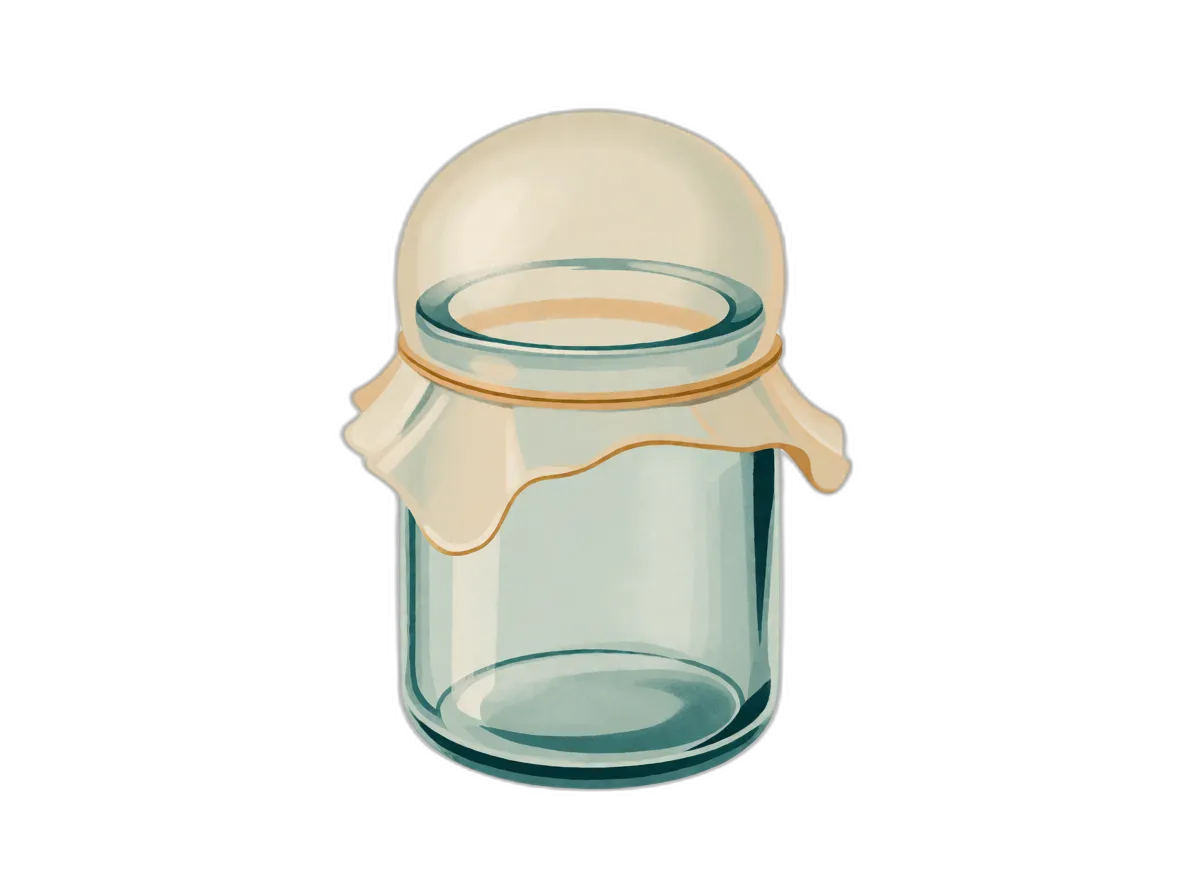
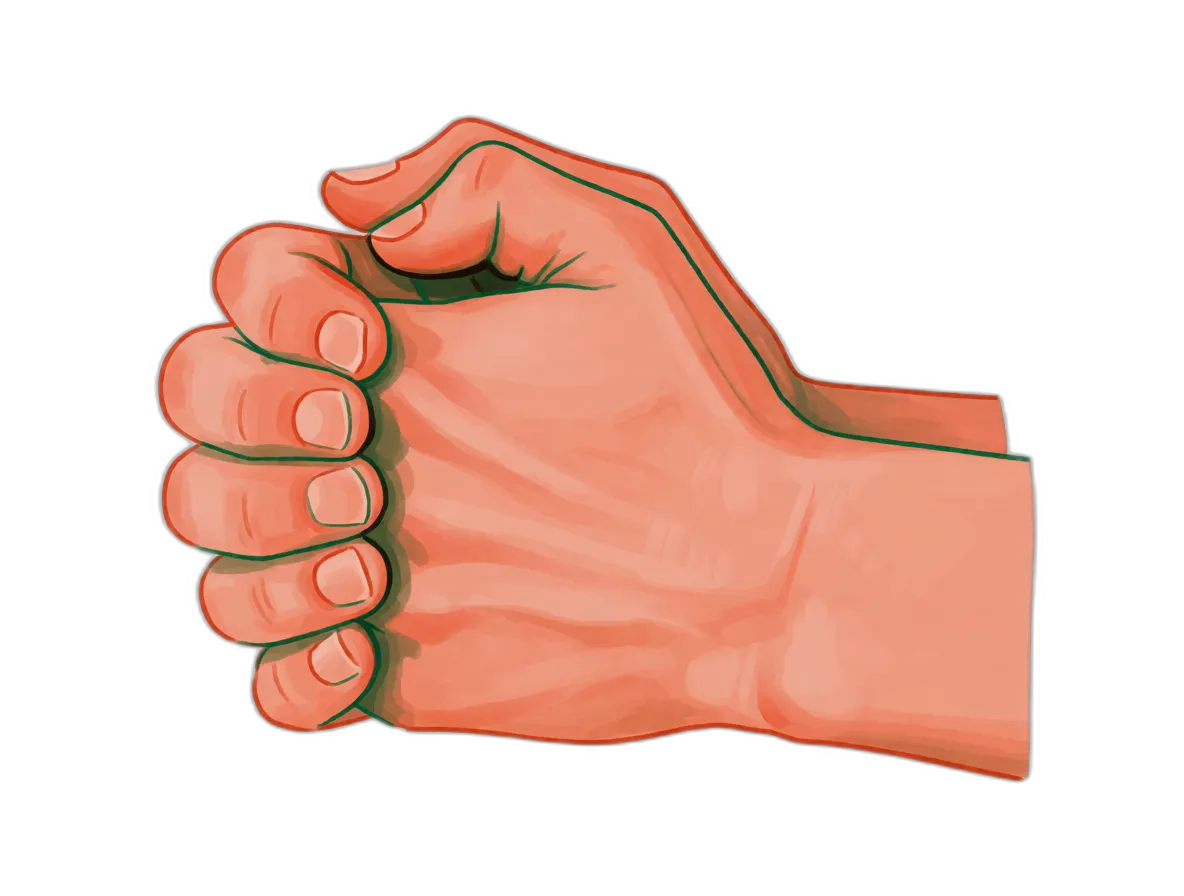
Prove it in a bowl of water
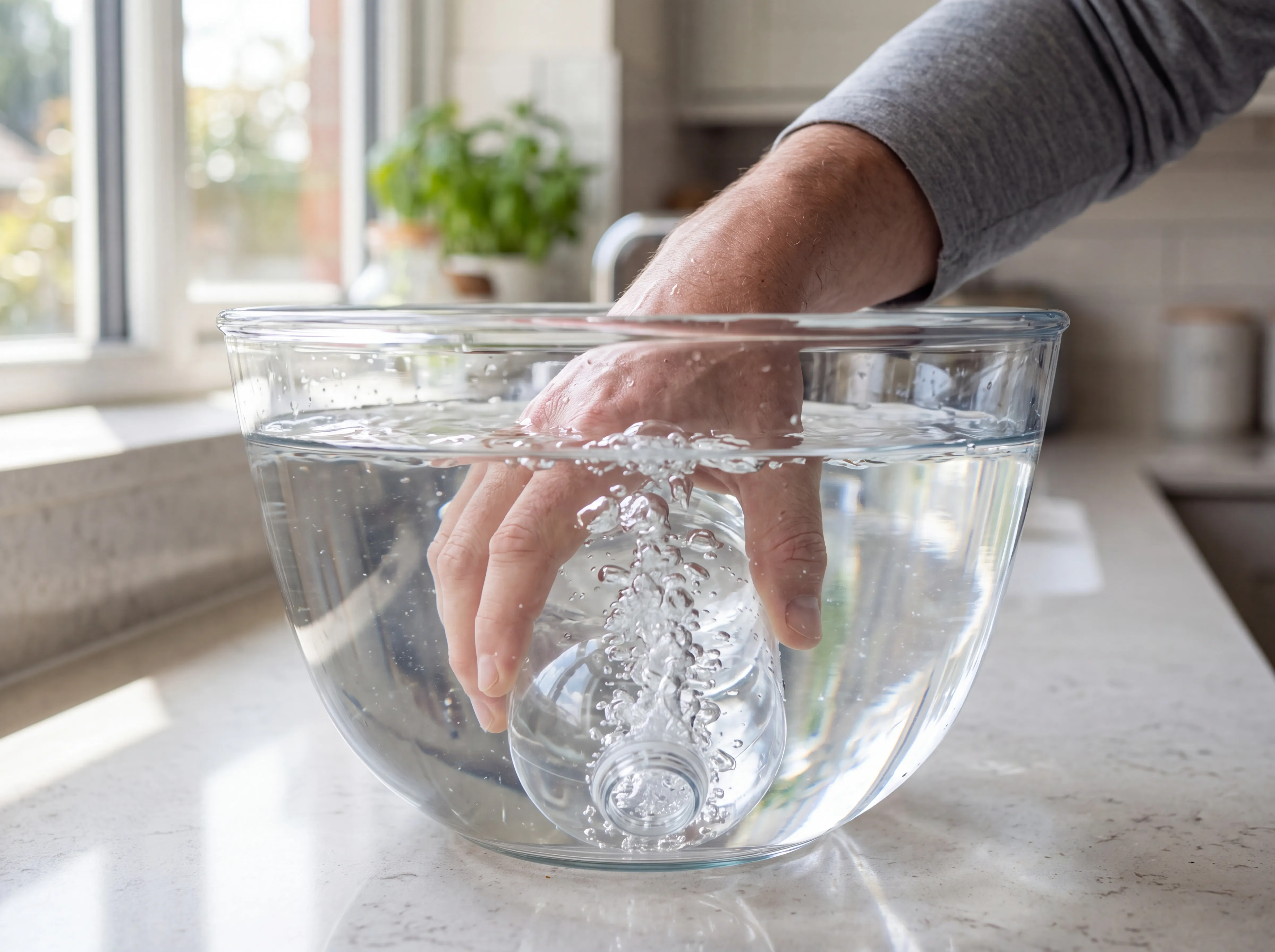
The halfway run collects roughly half as much water, though you squeezed just as hard and just as often. The difference is the blood a leaning rescuer never sends anywhere.
Rescuers swap over every two minutes, because by then their compressions have gradually grown shallower and nobody can feel it.
The part you already own
So nothing had to be fetched. The blood was already loaded. The pump was already there, between two bones. The only missing piece was something to work it, and a pair of hands is enough, because an elastic chest gives half of every compression back for free.
That elasticity is the piece hiding in plain sight. A rib cage is the part everybody treats as breakable, and during a real rescue ribs sometimes do crack. It is also the part doing the refilling, every time the hands come up.
One warning, and it is genuine: never try this on a person. Pressing that hard on somebody whose heart is working fine can crack ribs and bruise what is underneath. Every class in the world learns on a plastic dummy, starting with the emergency number, and the class takes an afternoon. The machine you would be operating is already inside the person on the floor, fully loaded, waiting for somebody to squeeze it and then, just as carefully, to let go.