Why do you suddenly see something everywhere?
Somebody tells you what a pangolin is on Tuesday. By Friday there is one in a book, one in a wildlife program and one on a poster at the dentist, and it feels like the world has been rearranged around you. Pangolins were on all those things last week too. You walked past every one of them and noticed nothing at all. So what changed in three days?
Almost everything reaching your eyes and ears gets thrown away before you find out about it. Learning a thing quietly changes what survives the throwing.
You are shown far more than you can use
Sit still and count what is arriving right now. Every object in the room, every sound outside, the pressure of the chair, the feeling of your socks, six conversations if you are in a café.
Your senses collect all of it. Your attention cannot possibly handle all of it, so somewhere in between, most of it is discarded before you become aware of any of it.
That discarding is not laziness or a fault. It is the only workable design, and the process has a name: selective attention, meaning the sorting that decides which arriving information is worth passing on to you.
Here is the part that matters for pangolins. The sorter is not fixed. It works from a list of what currently counts as relevant, and that list gets edited every time you learn something.
Your name gets through a filter that nothing else does
There is a famous experiment that catches the sorter in the act, and it is beautifully simple. In 1953, roughly when your grandparents were children, Colin Cherry in London sat people down with headphones playing a different recorded voice into each ear.
He asked them to repeat one voice aloud, word by word, as it played. Repeating speech while you listen to it is called shadowing, and it takes so much concentration that nothing is left over.
Afterward he asked what the other ear had been saying. People could report almost nothing: not the topic, not the words, sometimes not even the language it was in. The unattended ear had been thrown away wholesale.
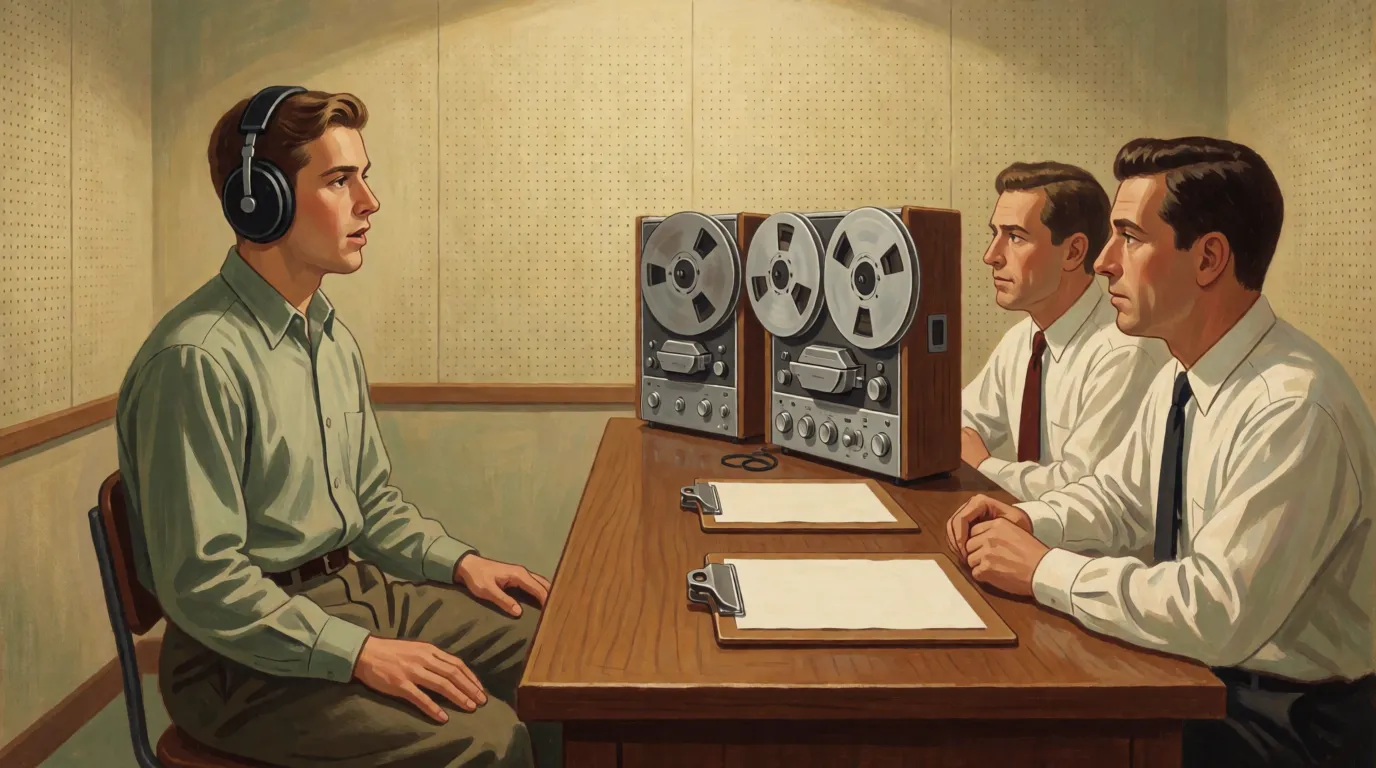
That looked like a clean answer: the filter blocks everything else completely. Then in 1959 Neville Moray slipped each person’s own name into the ignored ear. About a third of them heard it and turned their head.
A blocked channel cannot recognize a name, because recognizing a name means understanding the sound. So the material was being examined for meaning before it was thrown away.
The filter turns things down rather than off
Anne Treisman fixed the model in 1964, and her version is the one still taught. Nothing is blocked. Everything gets through, quietly, with the volume turned down on whatever you are not attending to.
Each thing you might notice has its own threshold: how loudly it has to arrive before it reaches you. Your own name carries a permanently low threshold, which is why it cuts straight through a room full of noise.
Learning about pangolins does exactly the same job as having a name. The word is now on the relevant list, so its threshold drops, and the next one goes straight through instead of being turned down with everything else.
The pangolins were always arriving. Last week they were being turned down before you got a vote.
Then a second mistake makes it feel enormous
One changed threshold explains why you notice the next pangolin. It does not explain why the world feels full of them, and the second half of the answer is about counting.
You count the hits. Every appearance is memorable, because each one arrives with a small jolt of recognition. Nobody counts the misses, because a page without a pangolin on it is not an event.
Preferring evidence that supports what you already suspect, and quietly ignoring evidence that does not, is called confirmation bias. It is not dishonesty. It is what happens when only one kind of evidence is memorable.
Stack the two together and you get the whole illusion. Your filter lets more through, your memory keeps only the hits, and your estimate of how often the thing occurs goes through the roof while the actual rate sits exactly where it always was.
That combination has a name of its own. In 2005 Arnold Zwicky, a linguist at Stanford, called it the frequency illusion, and the name stuck because it says precisely what is wrong: the frequency is imagined, not the sighting.
It is not a sign
The same machinery explains a great deal. A new pair of shoes appears on every third person in the corridor. A car you are thinking of buying suddenly fills the road. An unusual name turns up twice in a week. Nothing multiplied — you simply joined the list of people who were going to notice.
Count it before you trust it
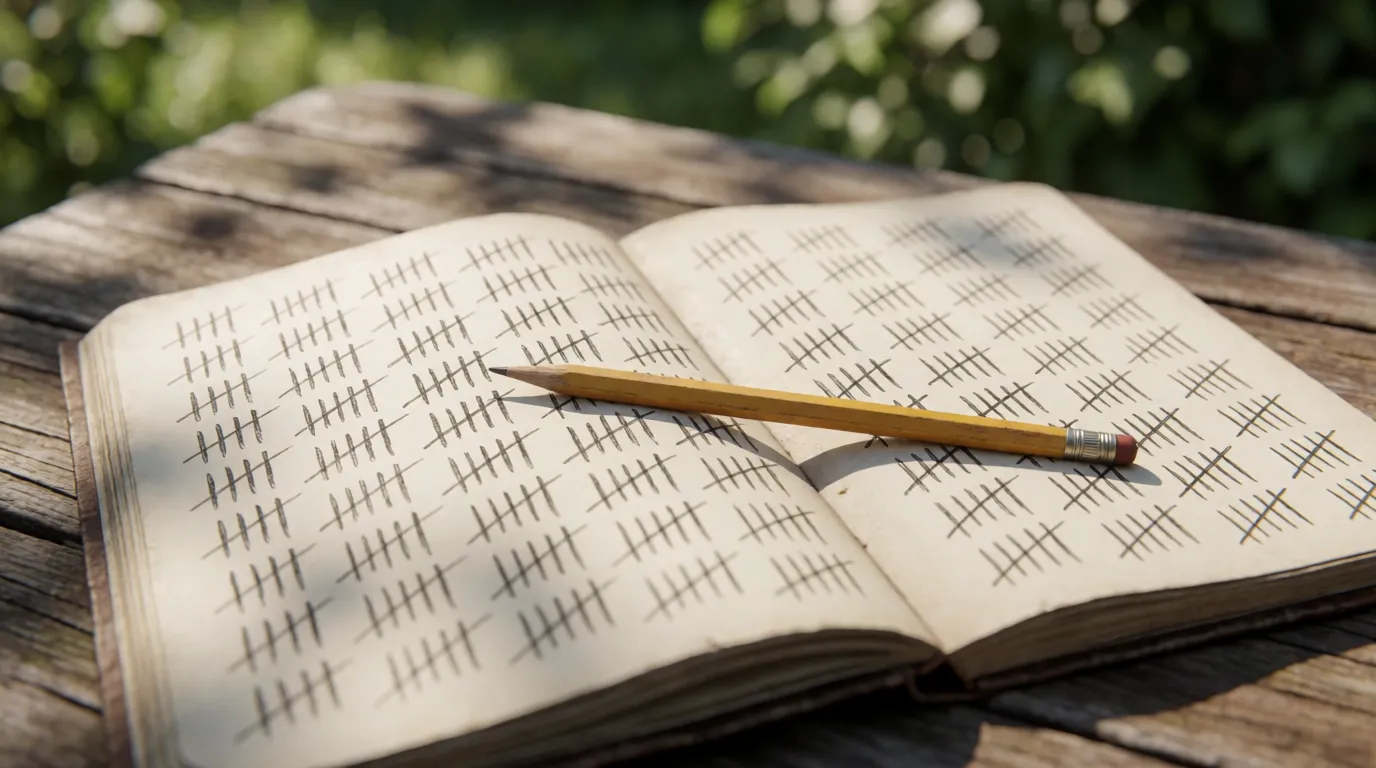
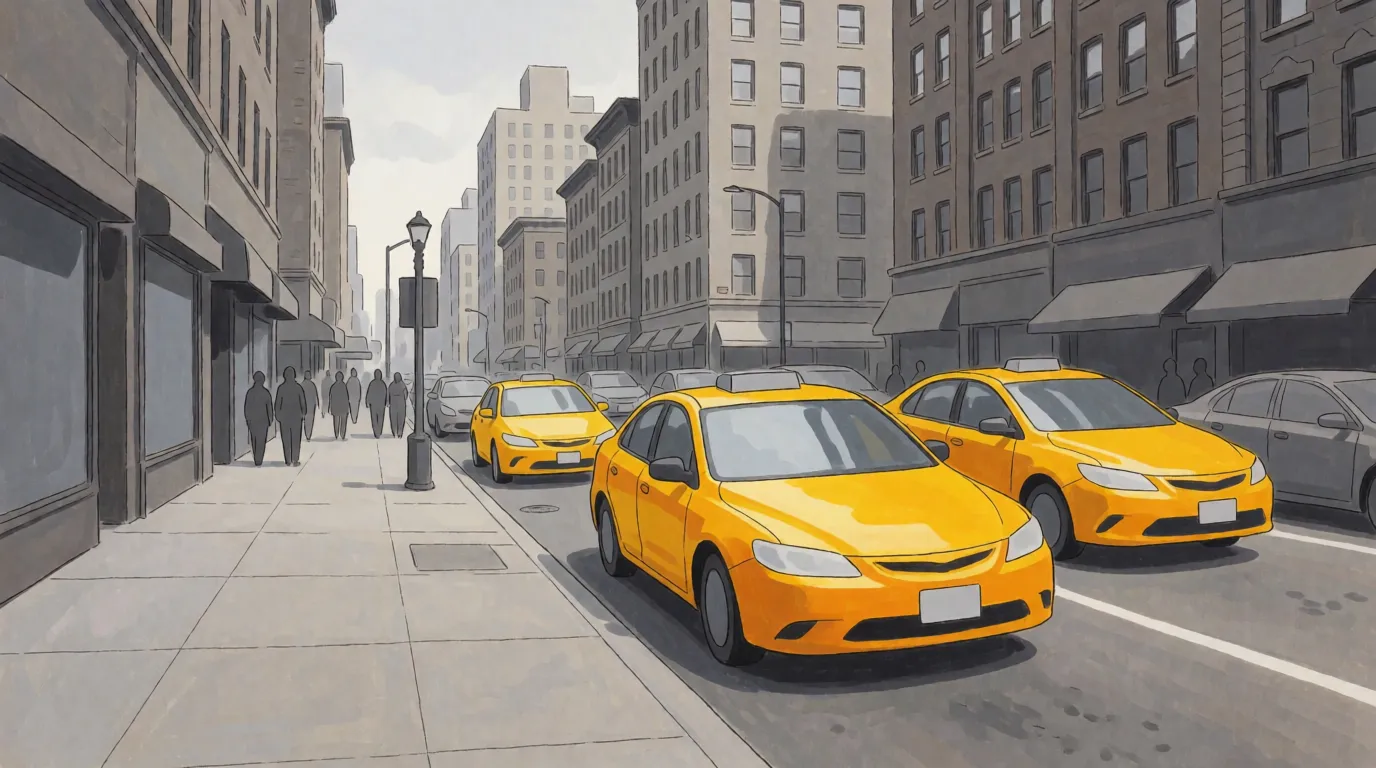
Almost everybody guesses badly, and the direction of the error is the interesting part. People who have recently been thinking about the thing guess too high. People who have not usually guess too low.
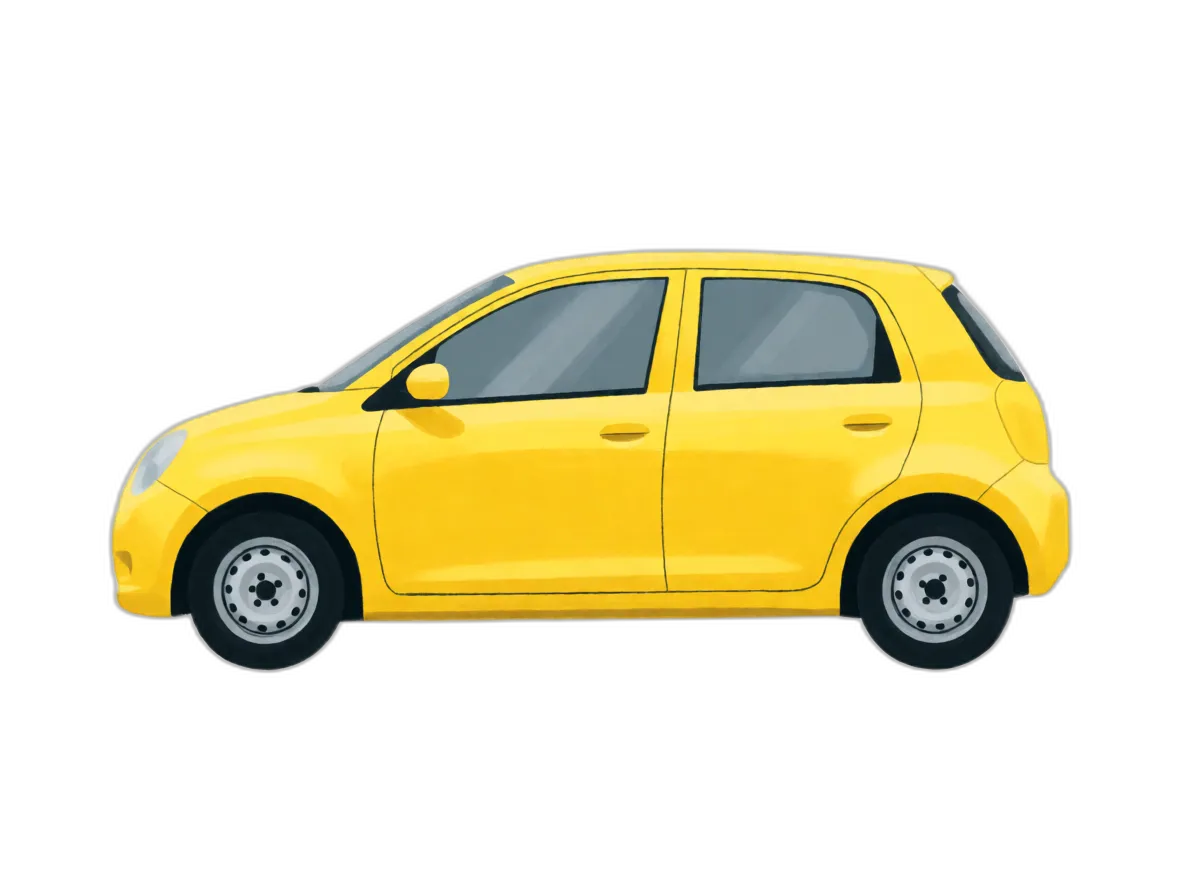
The second day is the one that settles it. Your count barely moves, because yellow cars have no idea you are watching, while your feeling about how many there are has changed a great deal since yesterday.
Your filter is doing you a favor
None of this is a defect to be fixed. A brain that passed everything through would be useless: you would be unable to hold a conversation in a café, find your own coat, or read a page while a radio played.
The cost of a filter that good is that you never get told what it discarded. From the inside, a filtered world looks exactly like the whole world, which is why the sudden arrival of pangolins feels like news about pangolins rather than news about you.
So the next time something appears everywhere, you can enjoy it and still know what it is. It is not the world announcing anything. It is the moment you find out what your own attention has been quietly leaving out.