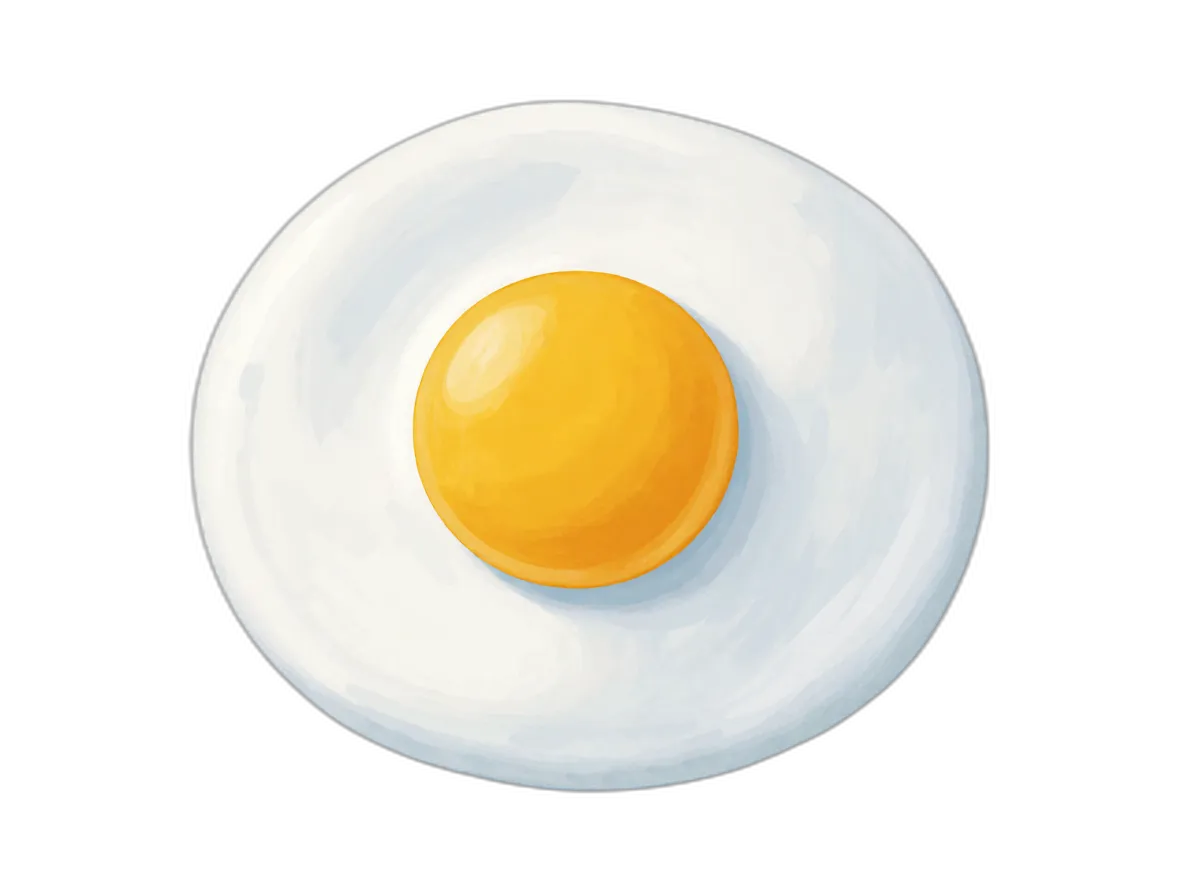
Why does glue stick?
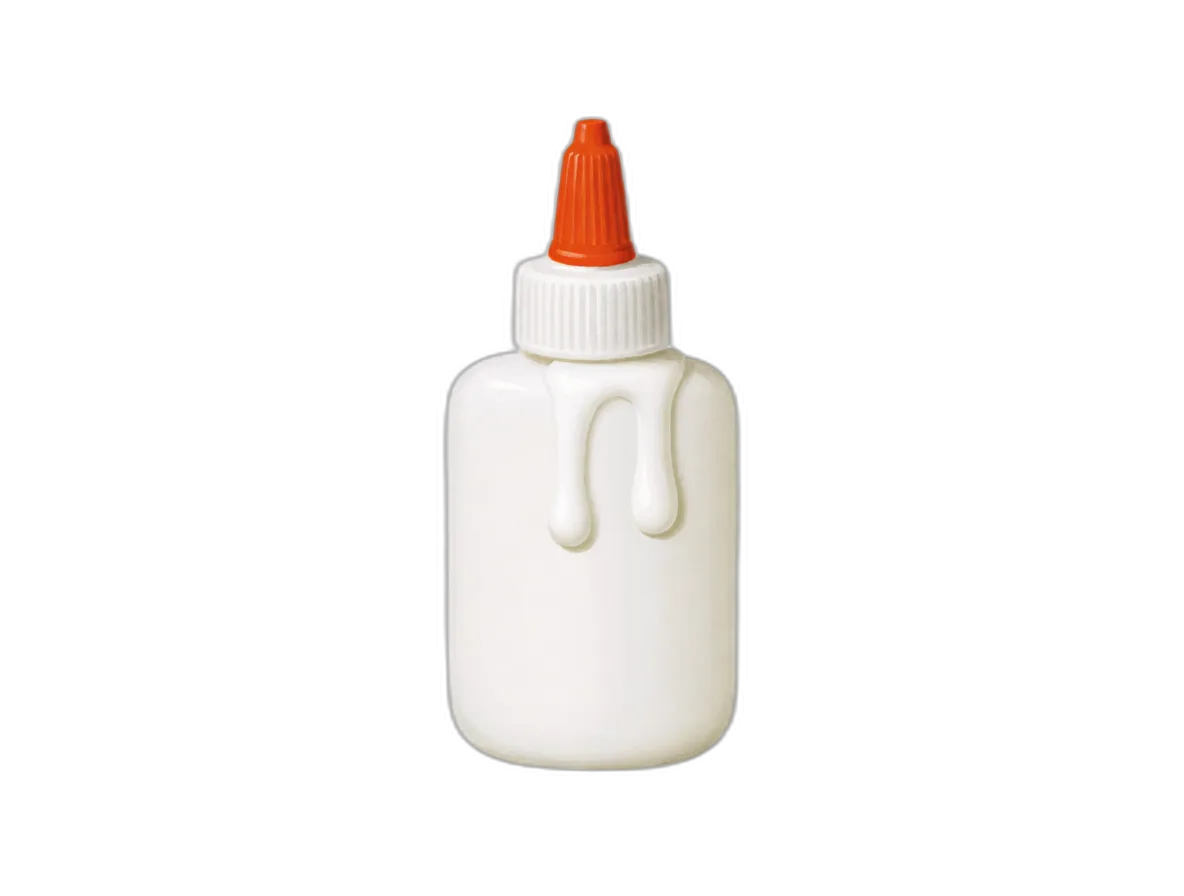
Glue arrives as a liquid. You spread it between two things, wait, and the two things are now one thing. Nothing was heated, nothing was hammered, and the bottle it came from is still full of liquid that has stayed liquid for a year. Everybody explains it by saying the glue seeps into tiny holes and grips, which is a comfortable answer and is comprehensively wrong about glass.
Every molecule attracts every other molecule, but only across an extraordinarily short distance. Glue is a way of getting close enough, and then setting hard.
Everything attracts everything, very briefly
Two solid surfaces pressed together appear to be touching. Magnify the join enormously and they are demonstrably not. The peaks of each surface rest on the peaks of the other, and virtually the entire area remains separated by a gap.
That matters because molecules — the smallest complete pieces a substance can be divided into — attract each other only at ridiculously short range. Bring two within about a millionth of a millimeter and they pull on one another. Move them twice that far apart and the pull almost vanishes.
So the difficulty of sticking is really a difficulty about contact. Two dry solids never bring sufficient molecules close enough, however energetically you press them together.
A liquid solves it immediately. Liquids flow, so they can fill every pit and trough and reach the entire surface, bringing their own molecules within range of every part of it. That flowing-into-contact is called wetting.
Being liquid is the point, and also the problem
Wetting is precisely why glue arrives as a liquid, and it explains why greasy surfaces refuse to glue. Grease prevents the adhesive from reaching the material underneath, so nothing ever arrives within range.
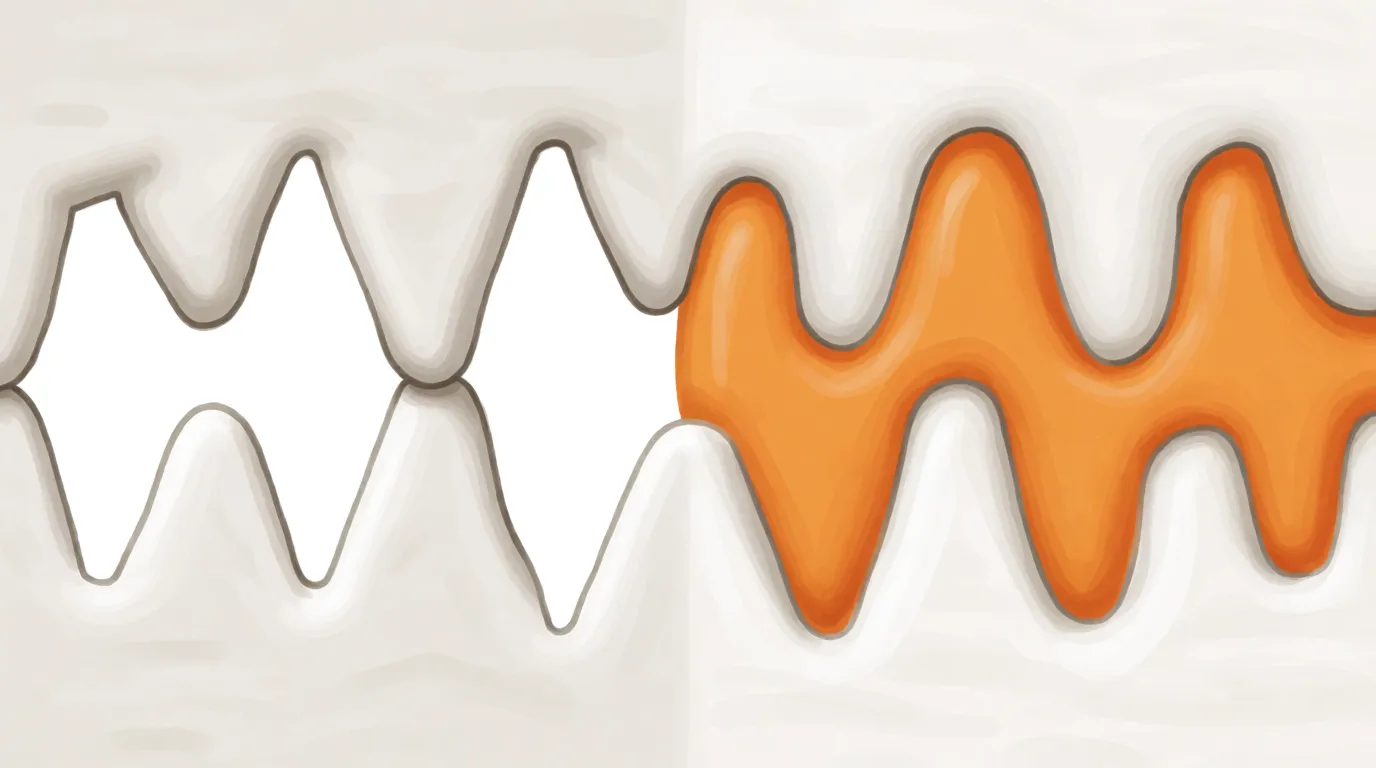
But a liquid that remains liquid is useless. The join would slide apart under any load whatsoever, because nothing inside a liquid resists being sheared sideways.
So glue has to do a second job: having spread out, it must become solid. Chemists call that hardening step curing, and every kind of glue is really a different answer to one question — what triggers the change?
Glue is a liquid that gets close, then stops being a liquid. Both halves are necessary, and neither is enough.
Three ways to set
White school glue takes the simplest route. It is polymer beads — tiny particles of soft plastic, each built from a long repeating chain — floating in water.
Spread it and the water evaporates, into the paper and into the surrounding air. The beads are left crowded together, they deform into one another, and what remains is a continuous film of flexible plastic bridging the join.
What leaves and what stays behind when white glue dries, from a 50 gram squeeze.
Superglue works completely differently, and far more strangely. It sets when it meets water — not a lot of water, just the trace of moisture on almost every surface and in the air itself.
Its molecules link into chains the instant that moisture arrives, and the chains grow within seconds. Which explains a thing everybody wonders about: the bottle stays liquid because it is sealed and dry, and glue only sets once it is out.
It also explains why superglue sticks skin so ferociously. Your fingers are damp, your fingerprints hold moisture in their valleys, and a film only 0.05 mm(0.002 in) thick is enough to trigger the whole reaction.
The third route is two tubes that must be mixed. Neither one sets alone, so nothing can go wrong in storage, and the chemistry begins only when the two meet on your stirring stick.
Holes are not the explanation
The two effects accumulate rather than compete. On rough timber you get molecular attraction plus keying together, which is why a properly glued wooden join frequently fractures somewhere other than the adhesive.
That failure is worth naming, because it tells you which of two things gave way. Adhesion is glue holding on to the surface. Cohesion is glue holding on to itself. A join can fail either way, and looking at which surface is left coated tells you which happened.
The glue that was rejected twice
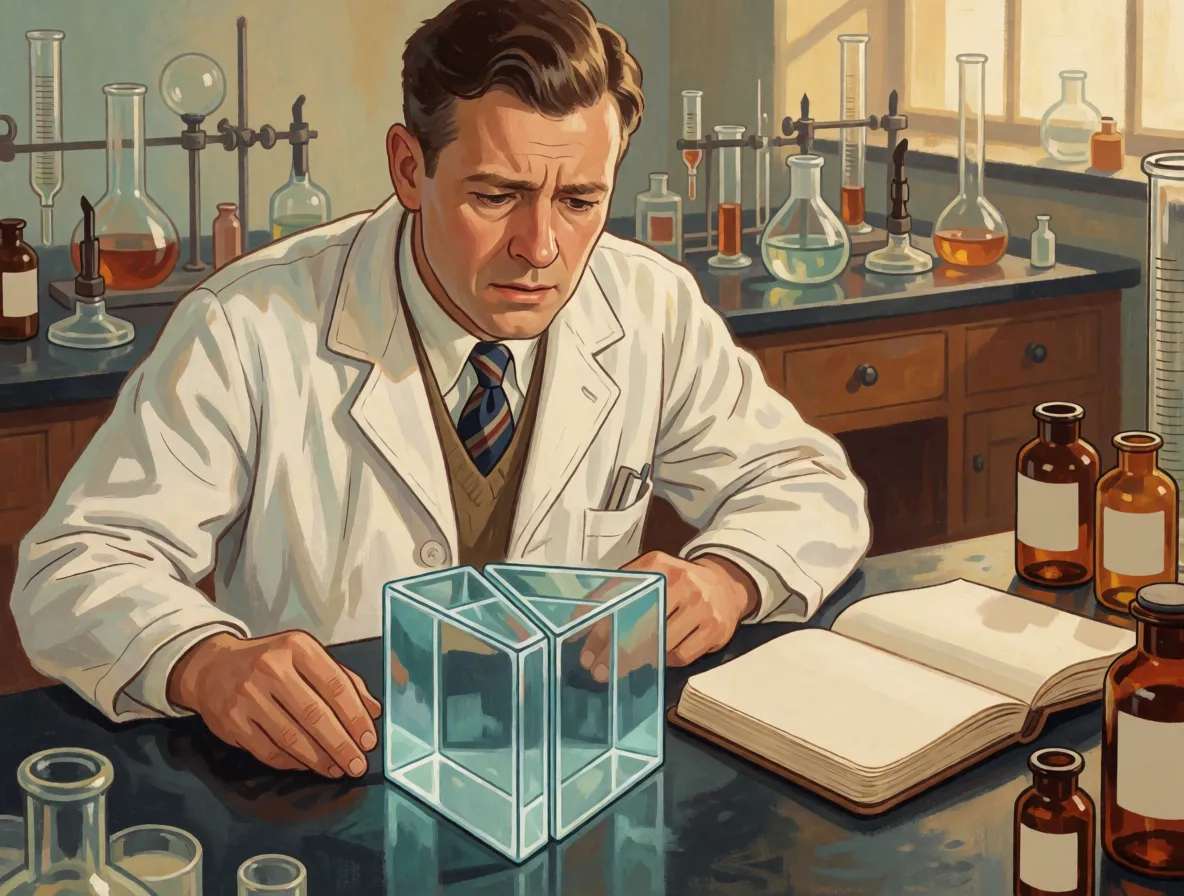
Superglue was discovered by somebody who was annoyed by it. In 1942, about three generations before you were born, Harry Coover was trying to make clear plastic for gun sights. One of his substances stuck to everything it touched and ruined the equipment.
He put it aside as useless. In 1951, working on heat-resistant covers for aircraft canopies, a colleague tested the same family of substances and destroyed an expensive instrument by sticking its prisms together.
This time Coover recognized what he had. It needed no heat, no pressure and no mixing, and it worked on almost anything. It went on sale in 1958.
The opposite story is just as good. In 1968 Spencer Silver at a company in America was trying to make a very strong glue and produced a disappointingly weak one that could be peeled off and stuck down again.
Nobody could think of a use for six years. Then in 1974 Art Fry, a colleague who sang in a choir, got tired of bookmarks falling out of his hymn book, and the sticky note was born.
Test what a join really needs
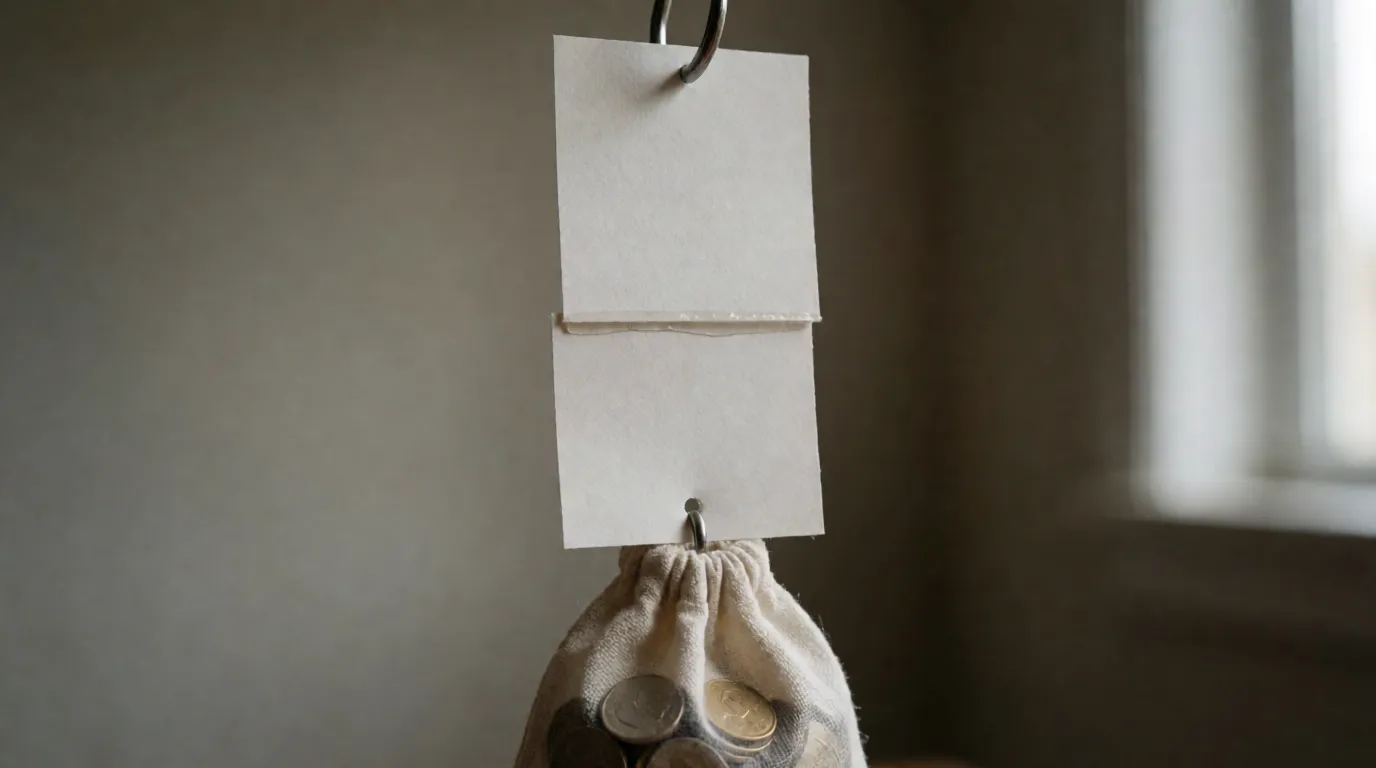
The oiled join will be dramatically weaker, and often fails at almost no weight. Nothing was wrong with the glue, and everything was wrong with the contact, which is the whole point of the wetting stage.
The break itself is the second result. If glue is left on both pieces, the glue tore in the middle and its cohesion gave way. If one piece comes away clean, its adhesion to that surface failed, and that is almost always the oiled one.
A liquid with a deadline
Nothing about adhesives is exotic. They exploit an attraction existing between all molecules everywhere, permanently, which nobody normally benefits from because nothing ordinarily arrives close enough.
All a glue does is arrive as a liquid so it can get close, and then stop being a liquid before you need the join to hold. Every kind on the shelf is a different answer to when that change should happen.
Which is why a bottle of superglue is a genuinely clever object. It is holding a substance that sets on contact with the air in your room, and keeping it liquid by the simple method of not letting any in.