Why does your own voice sound wrong on a recording?
Someone plays back a video from the school concert. Your friends all sound exactly like themselves, down to the way one of them says your name. Then you speak, and a stranger comes out: thinner, higher, faintly whiny. You say the recording has got it wrong. Everybody else in the room says it is perfect. So which of you is hearing things?
You are. Your voice has been reaching your ears down two separate roads for as long as you have had a voice, and a microphone can only stand on one of them.
Your voice arrives at your ear twice
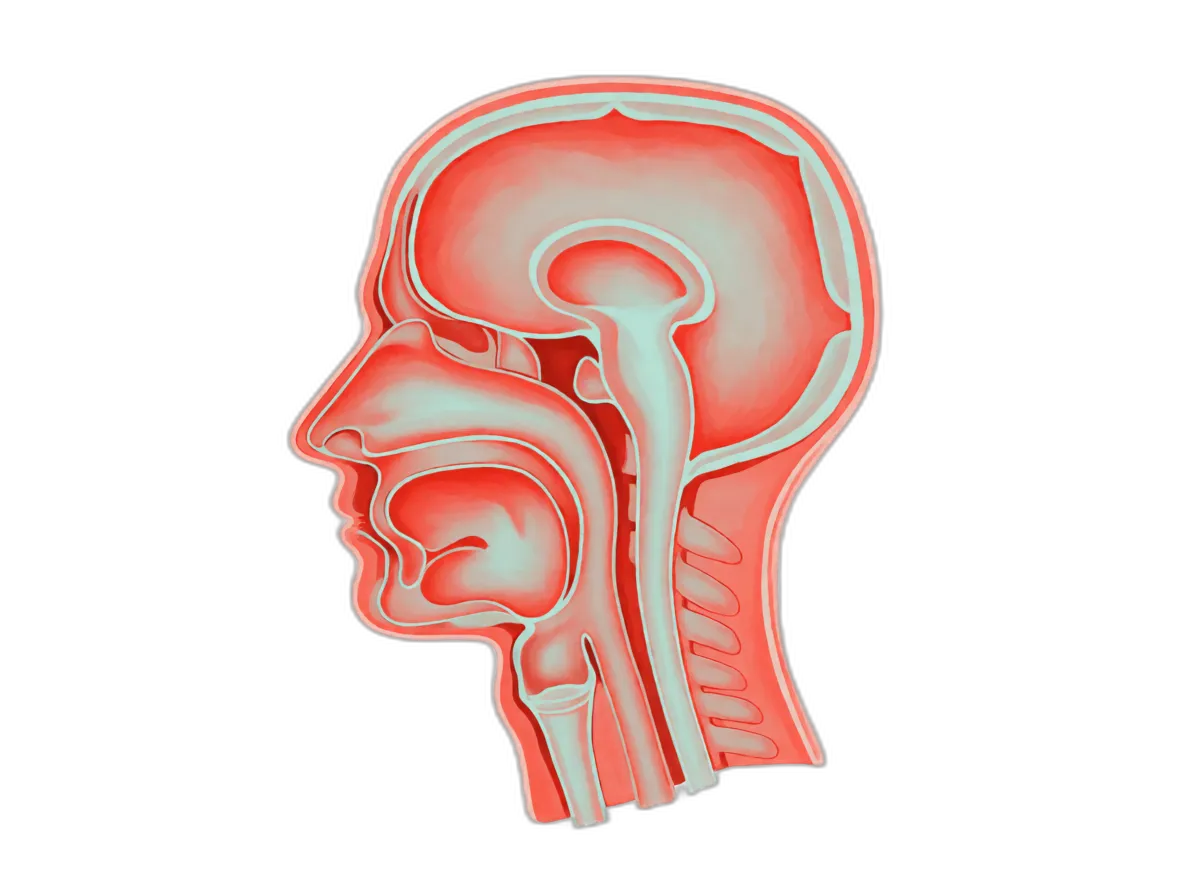
Every sound you make begins in one place. Your windpipe is a tube stiffened by rings of cartilage, the same bendy material as the tip of your nose. Two small flaps of muscle lie across the top of it, and those are your vocal folds. Air from your lungs makes them slap together hundreds of times a second.
The sound then takes the road you would expect. It leaves your mouth, curls back around your head and slips into your ear canal. At the bottom of that narrow tunnel is your eardrum, a skin pulled tight across it, and the arriving sound pushes it in and out.
Behind the eardrum, the vibration is handed along to your cochlea. The cochlea is a spiral tube of fluid, buried in the bone beside your ear. It converts vibration into signals your brain can understand.
Your voice never had to go outside to get there. Your vocal folds are built into your body, so when they buzz the shaking runs out through that cartilage into your jaw, your teeth and your skeleton. Those vibrations reach the identical cochlea without once touching the air in the room.
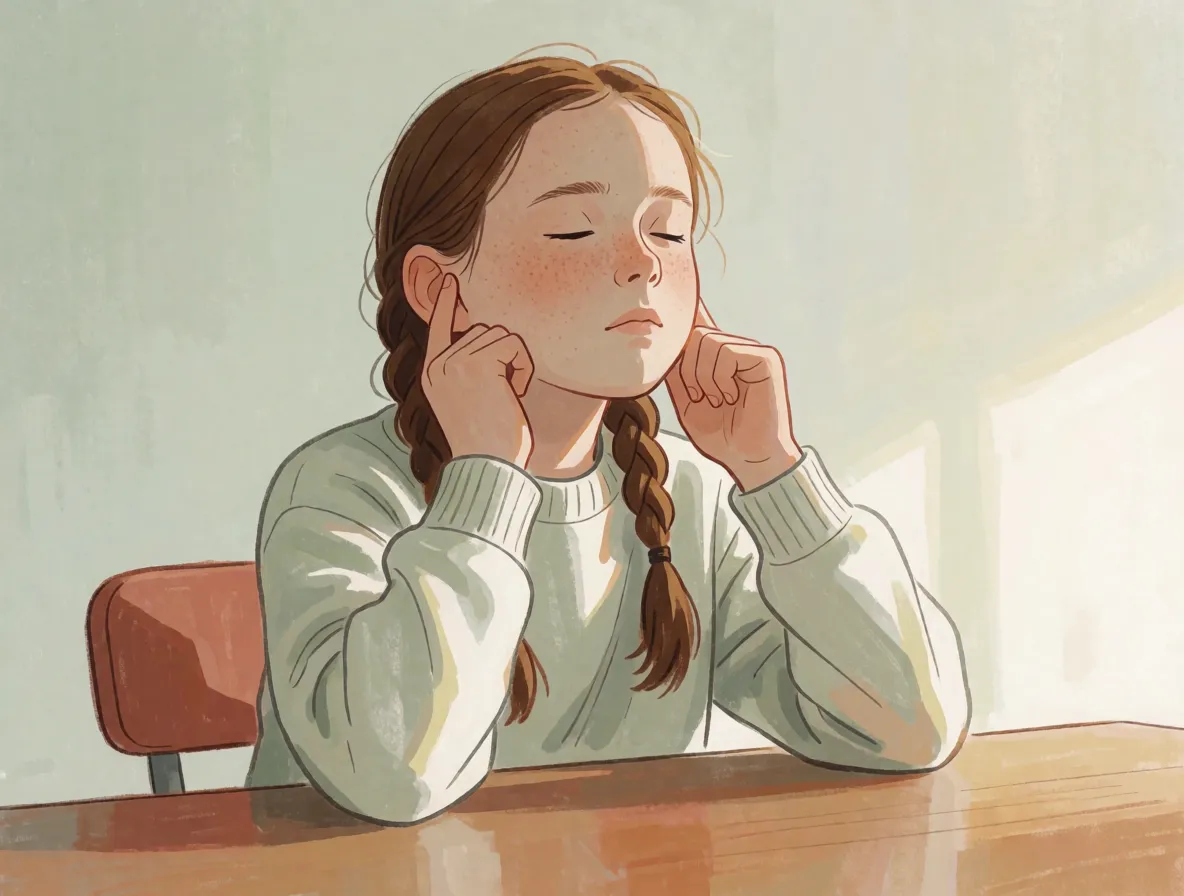
Try it now. Press a fingertip firmly into each ear and hum. Your voice does not fade. It swells and deepens and fills your skull, which is impossible if it needs the air you just blocked.
One voice, two roads, one cochlea at the end of both. The strange part is that closing a road does not simply turn you down.
A head is far too heavy to shake quickly
Doctors have a name for the second road. Bone conduction means sound arriving at the inner ear through the material of your own body instead of through the air.
The two roads deliver different things, and the reason is a number. A sound’s frequency is how many complete wobbles it fits into one second. Low notes wobble slowly. High notes wobble fast, and every syllable you speak is a mixture of the two.
The hum underneath a ten-year-old’s speaking voice runs at roughly 250 wobbles a second. The hiss on the end of a word like yes is a consonant made almost entirely of fast wobbles, and it reaches about eight thousand.
One voice, and the hiss outruns the hum by more than thirty to one.
Now think about what the bone road has to move. Your head weighs around 4 kilograms(9 lb), about as much as a large cat, and every wobble must shift the lot. Heavy things go along with slow pushes and barely answer fast ones. You can rock a playground swing once a second; you cannot make it shudder fifty times a second.
So the slow vibrations pass through your head comfortably, and the quick ones are absorbed by bone and soft tissue along the way. Every note you make travels the air road. Only the low ones survive the bone road.
Your everyday voice is two copies added together
Both copies land on the same cochlea, a whisker apart, and your brain combines them without consulting you. The sum is your voice plus a second helping of low notes. That mixture is your ordinary voice, the one you have listened to every day of your life, and it is deeper and rounder than the one leaving your mouth.
In 2003 Linda Shuster and John Durrant gave eighteen volunteers recordings of their own voices and a knob that shaved the high notes off. To match the voice inside their heads, they shaved.You cannot subtract that helping of bass by listening harder. It is not a habit or an opinion; it is a delivery, made through material nobody outside your body can reach. Which raises an awkward question about recorders.
A microphone has no head
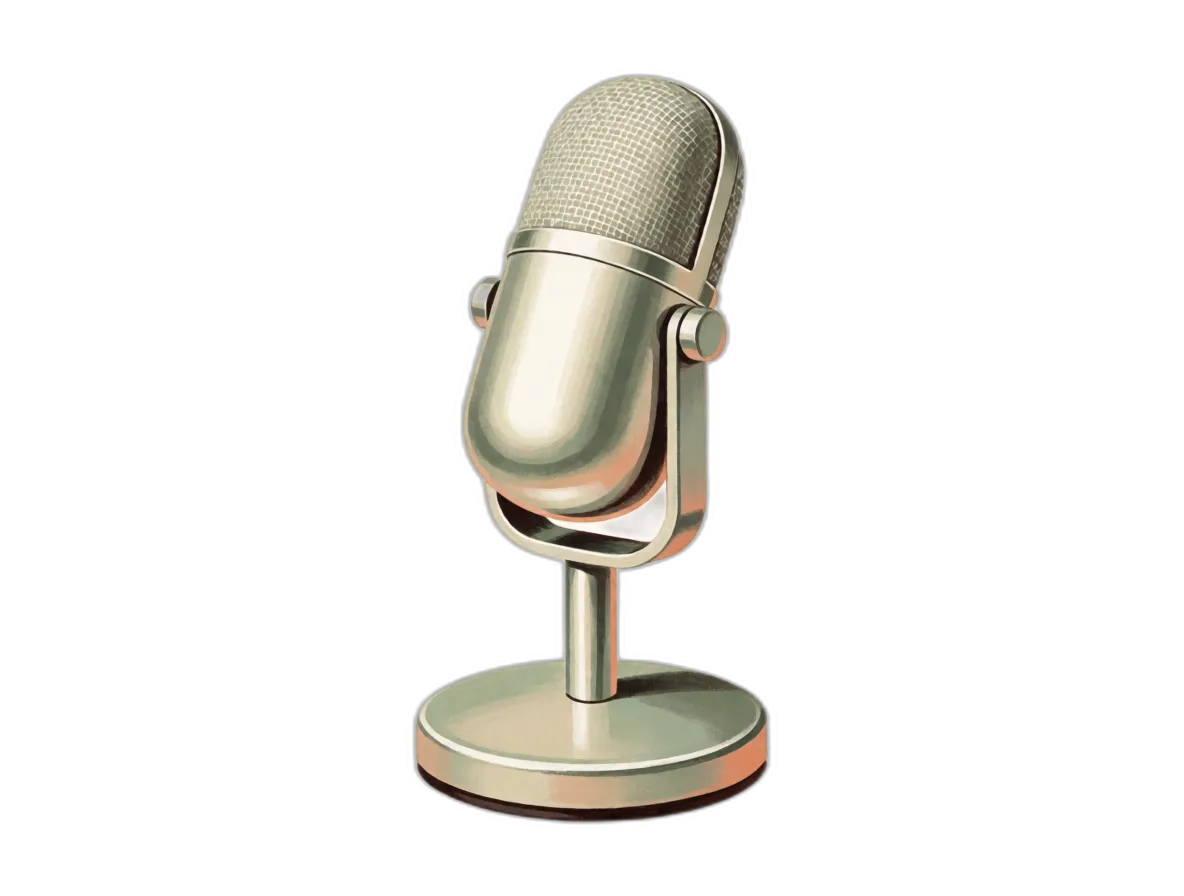
A microphone is a delicate membrane held up in the open air, sensitive enough to feel a voice and turn its own trembling into an electrical signal. It has no jaw, no skeleton, no cochlea buried in bone. Whatever reaches it comes down the air road, and that is the only version it can save.
Play that version back through a loudspeaker and something is definitely absent: the low helping your head has been adding ever since you learned to speak. The recording invented nothing and mangled nothing. One of the two roads was simply never there.
Your friends have no bone road to you. Every word of every conversation you have ever had with them crossed a room first, exactly as it does on the video, thin high notes and all.
The stranger in the video has been doing all your talking for you since the day you learned to talk.
So the recording is what you sound like from outside, and it always has been. Discovering that the second road existed at all took a remarkably long time.
Doctors used the second road for centuries before measuring it
In 1550 an Italian physician named Girolamo Cardano described something peculiar. Bite on a rod touching a musical instrument, he reported, and the sound climbs the rod into your hearing even when your ears have failed. Nobody could explain it. It stayed a party trick for three hundred years, roughly twelve generations.
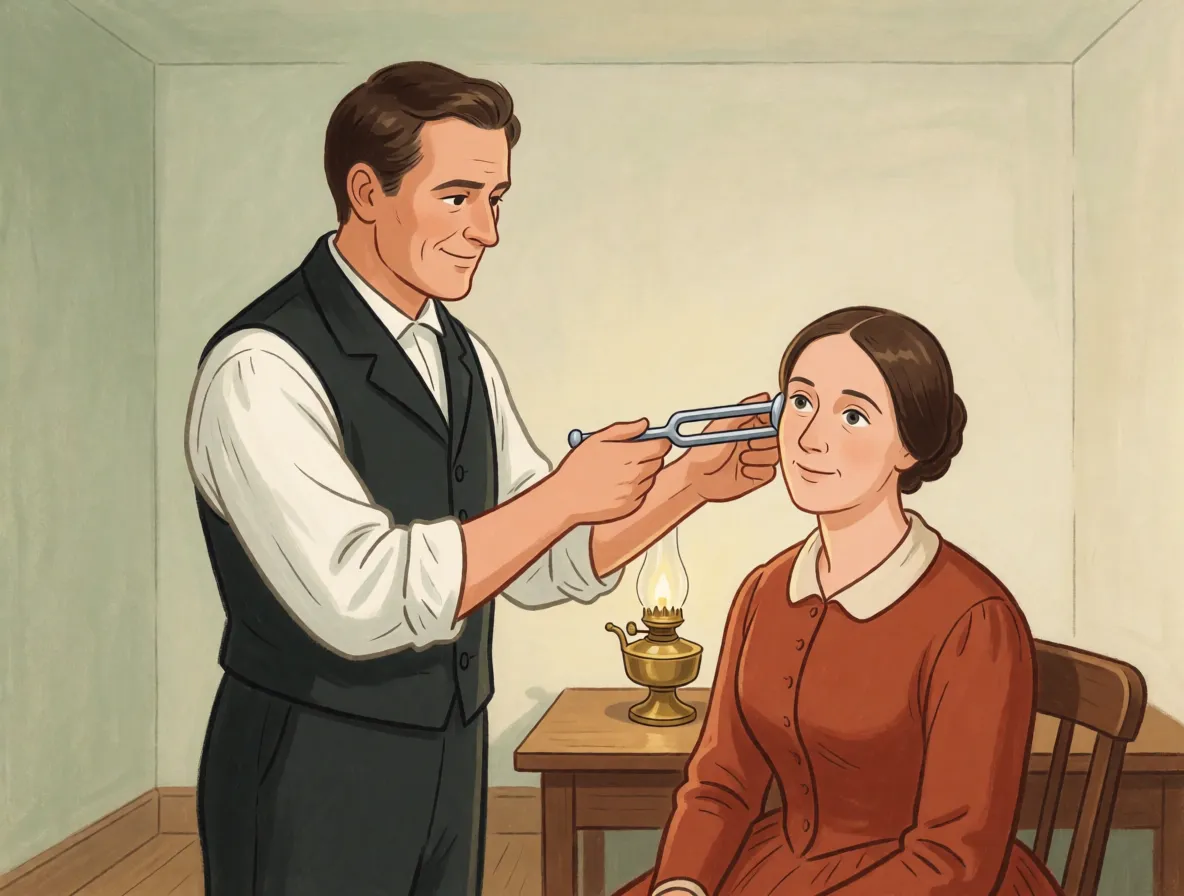
Otologists are doctors of the ear. In 1855, long before your great-grandparents were born, a German one named Heinrich Rinne turned the trick into a test. He struck a tuning fork, pressed its stem to the bone behind a patient’s ear, then held the humming fork out in front of the ear instead. Comparing the two gave him a diagnosis.
Rinne published in a small medical journal in Prague and hardly anybody read it. He died in 1868 with his test unused. Other otologists rediscovered it decades afterwards, and it is still performed in hospitals today.
Real measurements of the two roads took longer still. Georg von Békésy spent twenty-three years improving Hungarian telephone lines, where the useful question was how good a telephone must be before an ear stops complaining. Answering it meant taking the ear apart. He published on hearing your own voice through bone in 1949, and won a Nobel Prize in 1961 for the rest of the work.
Three centuries to notice the second road, and another to weigh it. You can hear it working in about a minute.
Borrow the bone road with a coat hanger
You cannot switch off the second road inside your own skull. You can send one sound down both roads and listen to the enormous gap.
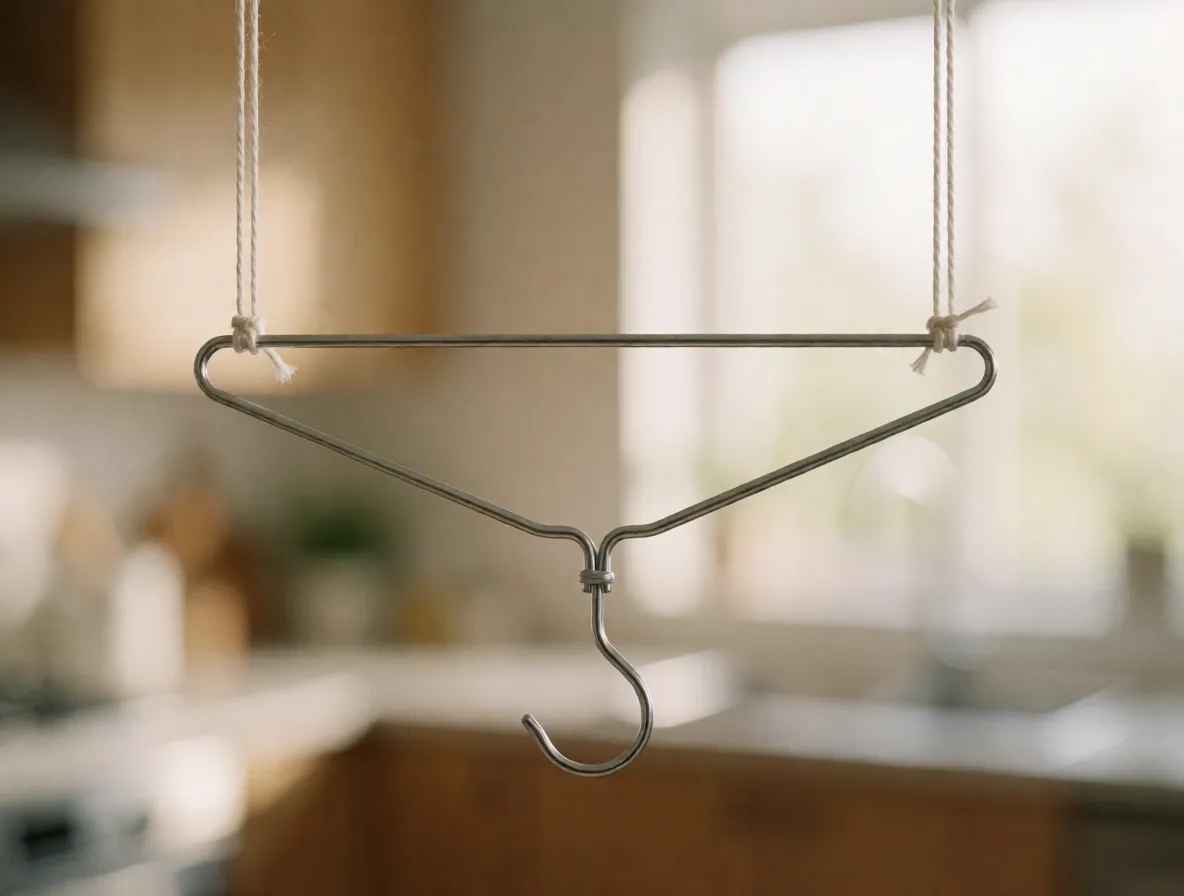
The deep, ringing half of that sound was inside the hanger both times. Across the room that half is inaudible. Up the string, through your fingers and into the bone, everything arrives. A bent wire has borrowed your second road. Anybody standing across the kitchen heard only the tink, which is exactly how much of you the rest of the world gets.
Everybody else has always heard the recording
The flinch you feel on hearing yourself played back is universal enough to have a name. In 1966 two American psychologists, Philip Holzman and Clyde Rousey, called it voice confrontation: the discomfort of meeting a recorded version of your own voice.
The last piece has been sitting in front of you the whole time. Think of your best friend’s voice. It is completely familiar, and you have only ever received it one way: out of their mouth, across the air, into your ear. There is no second road running from them to you.
Every voice you know well has come to you by air alone, and every one of them sounds correct. Yours is the single exception. For ten years you have heard it down a private road nobody else on earth can use, and that is why yours alone comes back unfamiliar. The stranger in the video was never an impostor. That is the person your friends have been talking to all along, and to them it has never once sounded wrong.